
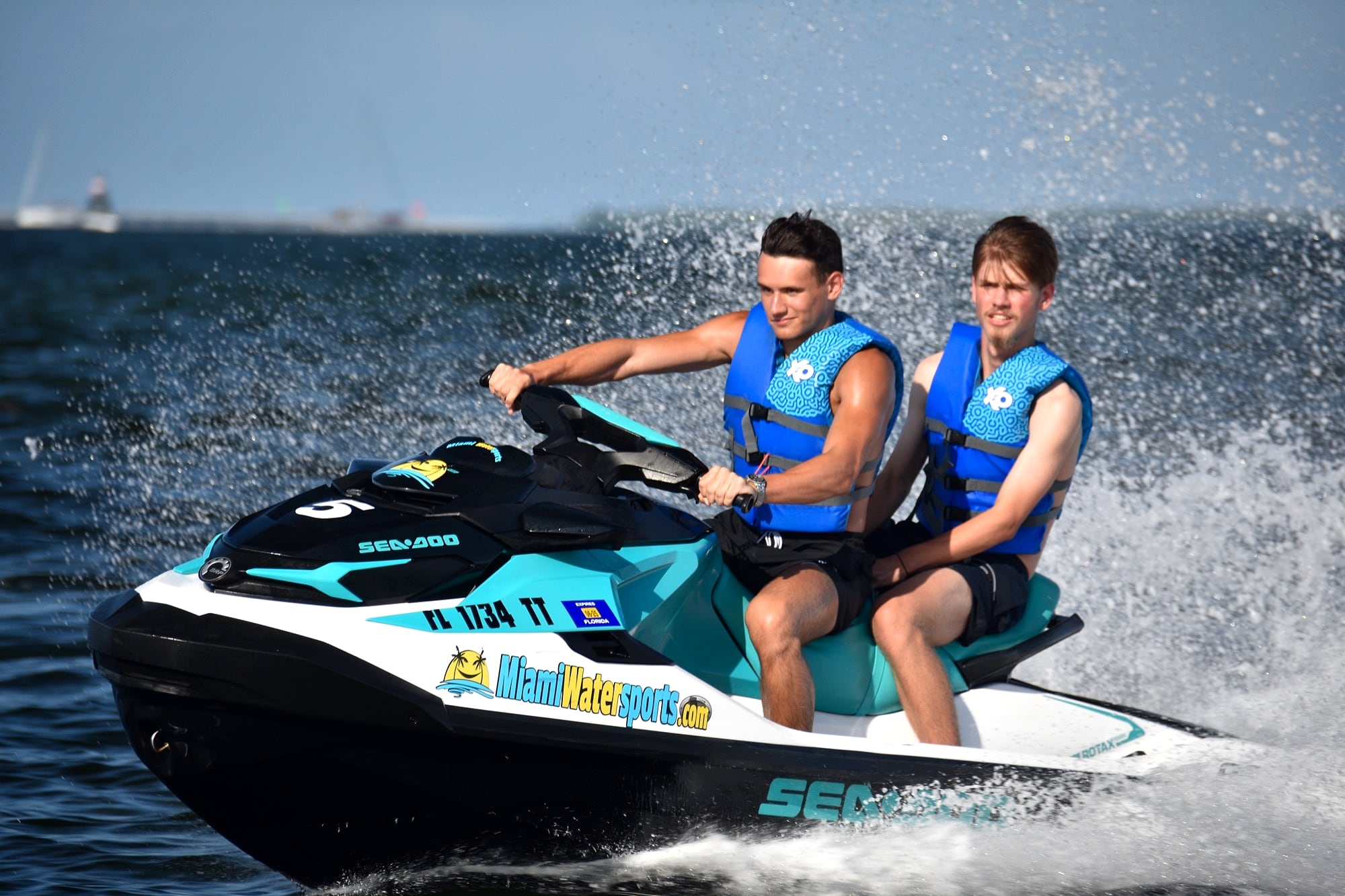
If you're looking for the best jet ski spots in Miami, the short answer is this: the protected, glassy water of Biscayne Bay off Coconut Grove beats the crowded, choppy open-ocean side near South Beach almost every day of the year. Launching from Pier 9 at Dinner Key Marina puts you on calm, shallow flats with skyline views, mangrove islands, and historic Stiltsville within easy reach — all on a 60-minute guided free-ride that's beginner-friendly and breathtaking. This guide breaks down exactly where to ride, when to go, and what a local actually does on the water.
Key Takeaways
- The best jet ski spots in Miami sit inside Biscayne Bay off Coconut Grove, where the water is calmer and more protected than the open-ocean Atlantic side near Miami Beach and South Beach.
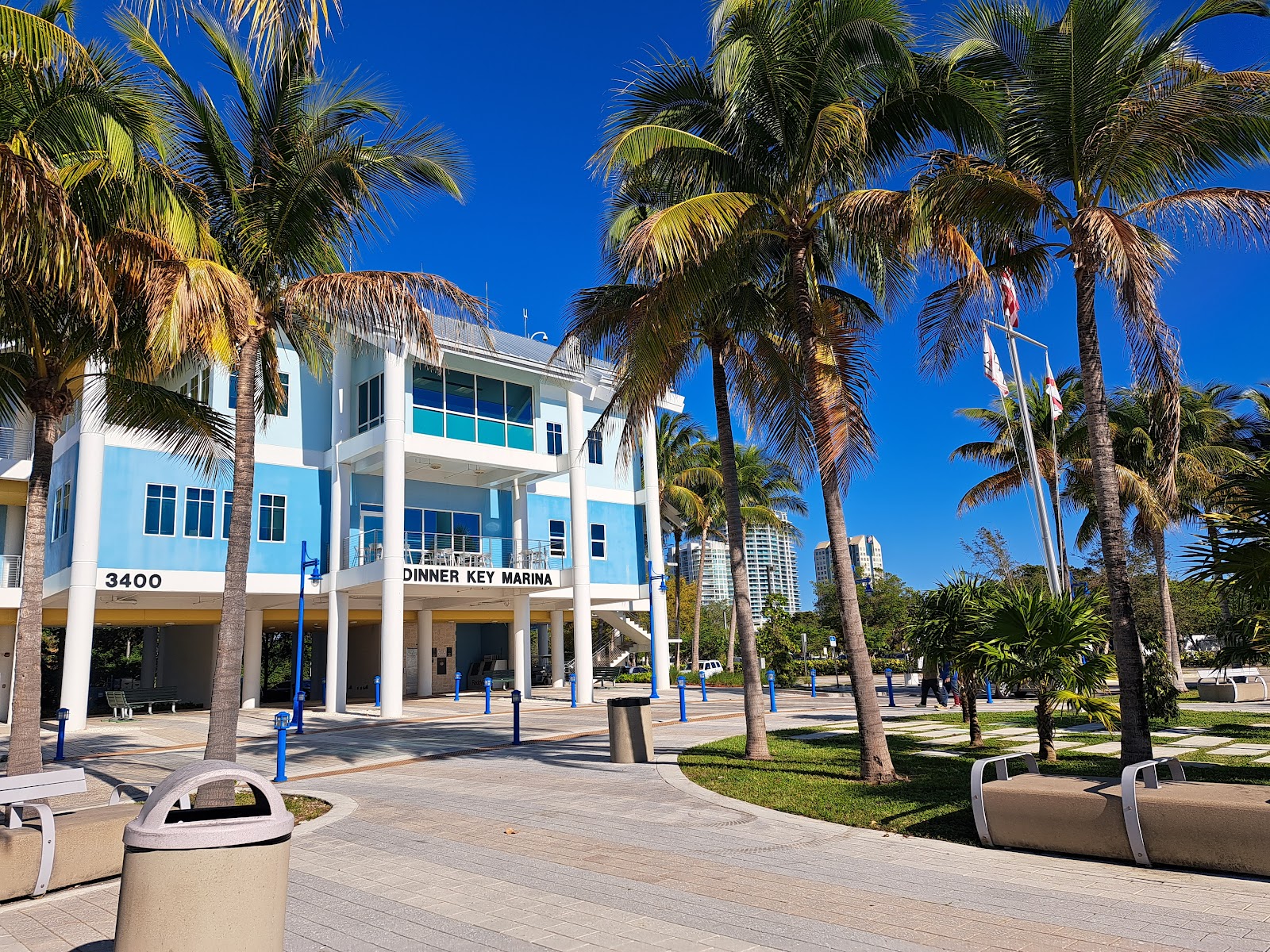
- Miami Watersports launches guided jet ski rides from Pier 9 at Dinner Key Marina, 3400 Pan American Drive in Coconut Grove, on calm Biscayne Bay.
- A jet ski ride here is a 60-minute guided free-ride; you can take a Single (1-seater) or a Double (2-seater) and ride with the group.
- Drivers must be at least 18 (18+ to rent solo), passengers must be at least 6, and every rider must be able to swim — comfort in the water matters more than experience on a ski.
- Morning rides typically offer the flattest, glassiest water in Miami because the sea breeze and afternoon thunderstorms usually build later in the day, especially in summer.
- Lightning shuts riding down completely for safety; light rain usually still runs, and weather-related cancellations are issued as a marina credit that is valid for 2 years.
Why Biscayne Bay Is Miami's Best Jet Ski Water
Most first-time visitors assume the best jet skiing in Miami happens out on the open Atlantic, somewhere off South Beach with the high-rises behind them. Locals know better. The Atlantic side is exposed: it catches the full swell, the wind chop, the boat wakes from a constant parade of vessels, and the congestion of one of the busiest stretches of coastline in Florida. It can be a rough, jarring ride that wears you out fast.
Biscayne Bay is a different animal. It's a large, shallow, semi-enclosed estuary tucked behind a chain of barrier islands and Key Biscayne, which act as a natural breakwater against the ocean swell. The result is protected, often glass-flat water that's far more forgiving — exactly what you want whether it's your first time on a personal watercraft or your fiftieth. You get the speed and the spray without getting pummeled, plus an unobstructed view of the Miami skyline that you simply can't get from the ocean side.
That's why the answer to "where are the best jet ski spots in Miami?" almost always points back to the bay, and specifically to the Coconut Grove corner of it. The combination of calm water, scenery, marine life, and quick access to landmarks like Stiltsville makes it the single most rewarding place to ride in the city.
The Coconut Grove Launch Advantage
Coconut Grove sits on the western shore of Biscayne Bay, sheltered and central. Launching from here, you're immediately on usable, scenic water — no long, boring transit out a channel before the good stuff starts. Dinner Key Marina, our home base, is one of the oldest and most storied marinas in Miami, and it puts you within a few minutes' ride of flats, islands, and skyline panoramas. Compared to fighting traffic and parking near the beach, then queuing on exposed open water, the Grove is the calmer, smarter, more local way to do it.
A Local's Map of the Best Jet Ski Spots in Miami
Here's how a local actually thinks about the water once you leave Pier 9. On a guided ride, your guide reads the day's conditions and picks the route, but these are the zones that make Biscayne Bay special.
Stiltsville
Stiltsville is the crown jewel — a small cluster of wood-frame houses standing on pilings right out in the open flats of Biscayne Bay, south of Key Biscayne near the edge of Biscayne National Park. These structures, some dating back the better part of a century, sit improbably in the middle of the water, and riding out toward them is one of the most photographed experiences on the bay. The shallow, sandy flats around Stiltsville are typically calm and crystalline, with that pale turquoise color you came to Miami for.
The Coconut Grove Flats and Skyline Run
Closer to the launch, the open water off the Grove gives you a wide, protected playground with the downtown Miami and Brickell skyline rising in the distance. This is where the glassy-morning conditions shine — long, smooth stretches where you can open up a little and feel the ski glide, with the city as your backdrop. It's the classic Miami jet ski photo: rider, spray, skyline.
Key Biscayne and the Cape Florida Shoreline
To the south, Key Biscayne and the Cape Florida shoreline offer green, low-key scenery that contrasts beautifully with the urban skyline behind you. The waters here are part of the broader bay system that feeds into protected park areas, so it's also a stretch where you'll want to keep an eye out for wildlife and respect no-wake and protection zones.
The Mangrove Edges and Shallow Wildlife Zones
The shorelines and islands of Biscayne Bay are fringed with mangroves and seagrass — the nursery of the whole ecosystem. These shallow edges are gorgeous, but they're also where you slow down and stay alert. Manatees, dolphins, rays, and seabirds all use these waters. Part of riding here like a local is knowing that the shallow seagrass flats are protected habitat: you ride responsibly, keep your distance from wildlife, and never plow through marked protection or no-wake zones. The Florida Fish and Wildlife Conservation Commission maintains boating and waterway rules that exist precisely to protect these areas, and a good guide keeps the whole group within them.
What a Guided Jet Ski Ride Actually Looks Like
One thing that surprises a lot of visitors: this isn't a rental where you're handed keys and pointed at the horizon. Every jet ski experience at Miami Watersports is a 60-minute guided free-ride. You ride with a group led by an experienced guide who knows the bay, sets a safe pace, and steers you toward the best water and the best views for that day's conditions.
"Free-ride" means it's not a slow, single-file conga line — once you're out in the open, safe water, you get real room to ride, turn, and feel the machine. But you're never alone trying to figure out where it's safe to go, where the shallows are, or which way the wind is pushing. The guide handles the navigation and the judgment calls so you can focus on having fun.
Single vs. Double: Which to Choose
You've got two ways to ride, and the right pick depends on who you're with.
- Single (1-seater): Built for one rider, with a maximum weight of 250 pounds. This is the choice if you want your own machine and full control of the throttle.
- Double (2-seater): Built for two people riding together, with a combined maximum weight of 400 pounds. Great for couples, a parent riding with an older kid (within age rules), or anyone who'd rather share the experience and split driving and passenger duty.
Both ride the same routes with the same guide. The Double is popular with families and pairs; the Single is the move for solo thrill-seekers or two friends who each want their own ski. You can see live availability and current pricing on the jet ski activity page.
Rules, Ages, and What You Need to Ride
Watersports are regulated for good reason, and Florida takes boater safety seriously. Here's exactly who can do what.
- Driving: You must be at least 18 years old to drive a jet ski here. To rent and ride solo, you must be 18 or older.
- Riding as a passenger: Passengers must be at least 6 years old.
- Swimming: Every rider must be able to swim. You'll be in open water on the bay, and being comfortable in the water is a genuine safety requirement — not a formality.
- Security hold: A refundable security hold applies, standard for any watercraft operation, and is released as long as the equipment comes back in good shape.
Florida law also ties into boater education requirements depending on age and experience. If you want to understand the broader framework — who needs a boating safety education card and what's expected of operators — the Florida Department of Highway Safety and Motor Vehicles boating safety center is the authoritative state resource, and the U.S. Coast Guard's recreational boating safety program covers federal life-jacket and safe-operation guidance. On a guided ride, your guide briefs you on the essentials before you ever leave the dock, and life jackets are part of the deal.
First-Timers: You'll Be Fine
If you've never operated a personal watercraft, Biscayne Bay's calm water and the guided format make this one of the most approachable ways to start. The pre-ride briefing covers throttle, steering, stopping, spacing, and the hand signals your guide uses. The bay's protected conditions mean you're not wrestling ocean swell while you learn. Most nervous first-timers are grinning within the first five minutes.
Best Times of Day and Year to Ride in Miami
Timing is the difference between a good ride and a perfect one, and this is where local knowledge really pays off.
Go in the Morning
The single best tip for jet skiing in Miami: ride in the morning. Overnight, the wind tends to lay down and the bay goes glassy. As the day heats up, the sea breeze fills in and the surface gets more textured and choppy. In summer especially, Miami's classic afternoon thunderstorms build through the early afternoon and roll in like clockwork. A morning ride gives you the flattest water, the best light for photos, and the lowest chance of a weather interruption. Afternoons can still be excellent — it's just a higher-variance bet.
Season by Season
Miami is a year-round watersports town, but the seasons have personalities:
- Winter and early spring (roughly December–April): This is peak season for a reason. Lower humidity, cooler comfortable temperatures, fewer storms, and frequently calm, clear water. Cold fronts can occasionally bring a windy day, but the overall conditions are superb.
- Late spring (May): A sweet spot — warm water, long days, and the summer storm pattern hasn't fully settled in yet.
- Summer (June–September): Hot, humid, and beautiful, with that reliable afternoon thunderstorm cycle. Morning rides are king. The water is bathtub-warm.
- Fall (October–November): Warm water lingers and crowds thin out. Worth watching the tropical weather forecast, but plenty of gorgeous riding days.
Before any ride, it's smart to glance at the National Weather Service Miami forecast for wind, storm timing, and marine conditions. We monitor it constantly on our end, but it's a great resource for setting your own expectations.
How Weather and Safety Decisions Get Made
Let's be clear about how we handle weather, because it matters and it's where a lot of operators are vague.
Lightning never runs. Period. If there's lightning in the area, riding is suspended for safety — no exceptions, no negotiating. Open water and electrical storms don't mix, and no view is worth the risk.
Light rain usually still runs. A passing summer shower in Miami is normal and often clears in minutes. You're going to get wet on a jet ski anyway, so a little rain rarely stops a ride. The deciding factors are lightning, wind, and water conditions — not whether a few drops are falling.
When we do have to cancel for weather or operational reasons, here's our policy: you receive a marina credit that is valid for 2 years. We don't issue cash refunds for weather cancellations, but that credit is good whenever you come back — next week, next season, next year. Nothing is lost; your ride just moves. This is standard for watersports operations exposed to the elements, and the never-expiring credit is our way of making it painless.
For a deeper understanding of safe boating practices, weather decision-making, and float plans, the BoatUS Foundation's expert advice library is an excellent, no-nonsense resource that aligns with how responsible operators run their water.
Member Rate vs. Non-Member Rate: How Pricing Works
Our pricing works a bit like a hotel, with two tiers, and it's worth understanding before you book.
- Non-Member rate: A simple, all-in price. What you see is what you pay — no add-ons at the dock.
- Member rate: A lower base rate, with a fuel plus tax and marina fee added at check-in. For frequent riders and groups, the member side is the value play.
A few important notes: pricing here is per rider, not per ski, so each person on the water is counted. And because rates and availability are served live, we don't publish numbers in articles like this — they'd go stale. Always check the current member and Non-Member pricing right on the jet ski activity page, where everything is shown live and you can book in a couple of taps.
Making a Day of It on Biscayne Bay
A jet ski ride is the headliner, but Coconut Grove and Dinner Key make it easy to build a full day on the water. Plenty of visitors pair the bay's calm conditions with other activities for a complete Miami watersports experience.
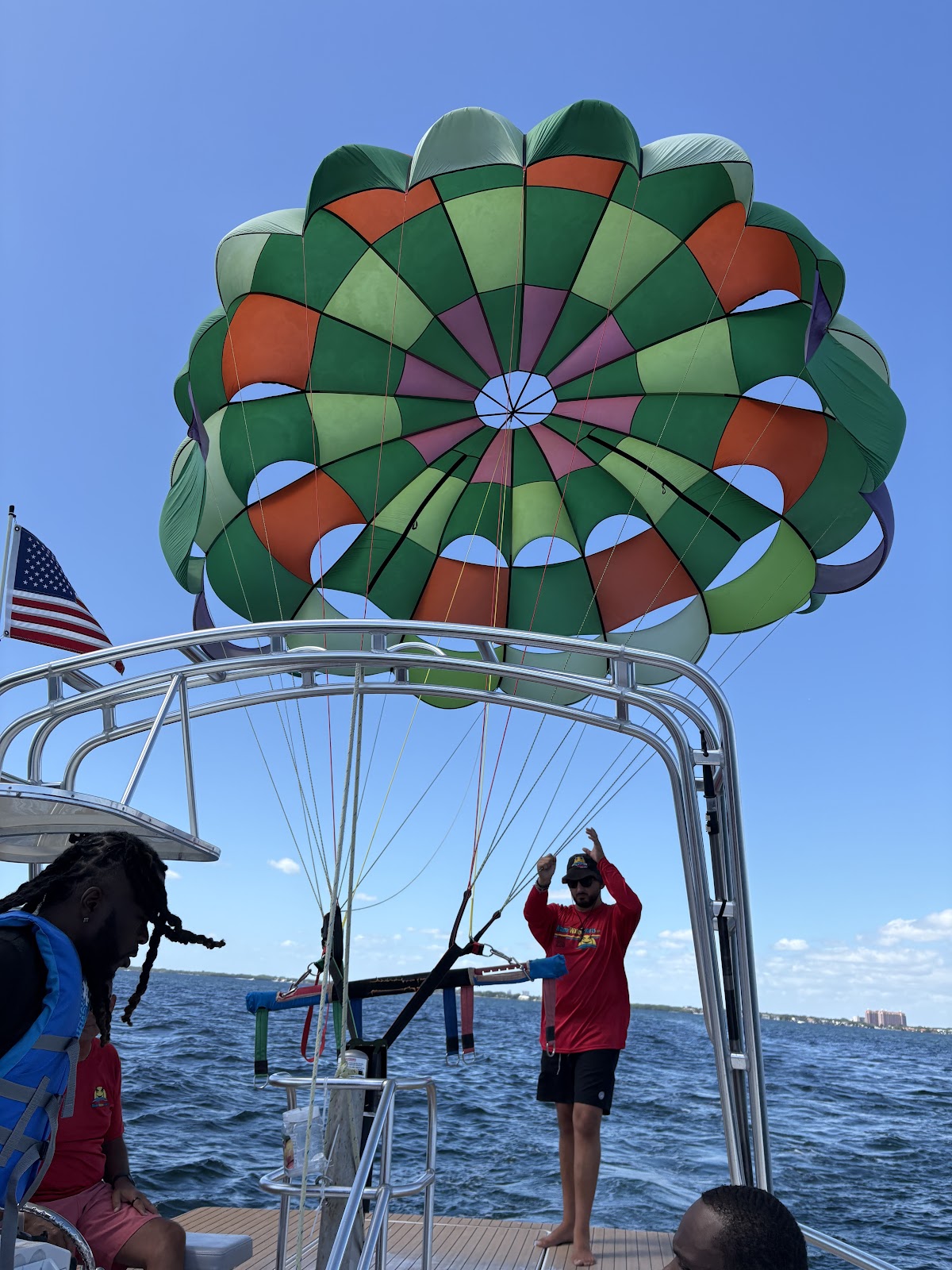
If you want to go higher than the skyline, parasailing over Biscayne Bay gives you the bird's-eye view — gentle, scenic, and surprisingly serene. Take a look at the parasailing activity page. For something playful with a group, the bay is also ideal for a relaxed cruise; consider a boat tour to take in Stiltsville and the islands at an easier pace, perfect for mixed groups where not everyone wants to drive a ski.
The Grove itself rounds out the day: it's one of Miami's most charming neighborhoods, with waterfront dining, leafy streets, and a laid-back vibe that's a world away from the South Beach scene. Ride in the morning when the bay is glass, then walk into the village for lunch. That's a local's perfect day.
Quick Planning Checklist
Before you head to Pier 9, run through this:
- Book a morning slot if you want the calmest, glassiest water and the best photos.
- Confirm who's riding — drivers 18+ (18+ to ride solo), passengers 6+, everyone able to swim.
- Choose Single or Double based on your group; pricing is per rider either way.
- Bring a swimsuit, a towel, reef-safe sunscreen, secured sunglasses (a strap is smart), and a sense of adventure. Phones can ride in a waterproof pouch if you want photos.
- Check the forecast and remember our weather policy: lightning stops everything, light rain usually doesn't, and any weather cancellation becomes a never-expiring marina credit.
- Arrive a little early to handle check-in, the security hold, and the safety briefing without feeling rushed.
The Bottom Line on Miami's Best Jet Ski Spots
When people ask about the best jet ski spots in Miami, the honest, local answer is the protected water of Biscayne Bay off Coconut Grove — not the crowded, choppy ocean side by South Beach. Launching from Pier 9 at Dinner Key Marina, you get calm flats, the Miami skyline, historic Stiltsville, mangrove-fringed islands, and a guided 60-minute free-ride that's as good for first-timers as it is for thrill-seekers. Ride in the morning, respect the wildlife and the weather, and you'll understand why locals quietly keep this corner of the bay to themselves.
Ready to ride? Check live availability and current member and Non-Member pricing, then lock in your spot on the **jet ski activity page**. We'll see you at Pier 9.
Book your Miami jet ski adventure
Member rates apply on every booking. Tax & marina fee added at check-in.
Frequently Asked Questions
About Miami Watersports
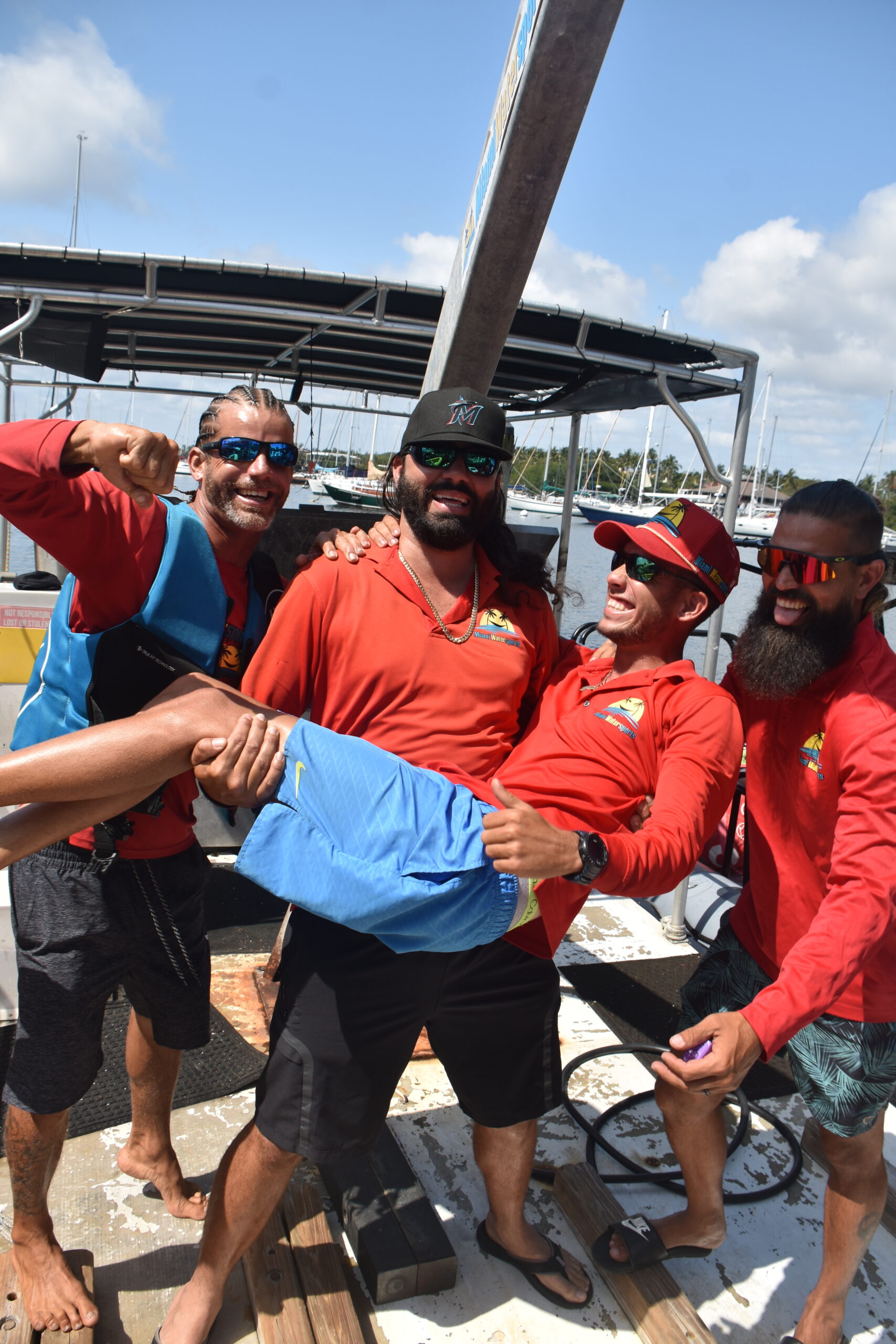
The Miami Watersports crew has run parasailing, jet ski, flyboard, and boat trips from Pier 9 at Dinner Key Marina in Coconut Grove since 2007.