
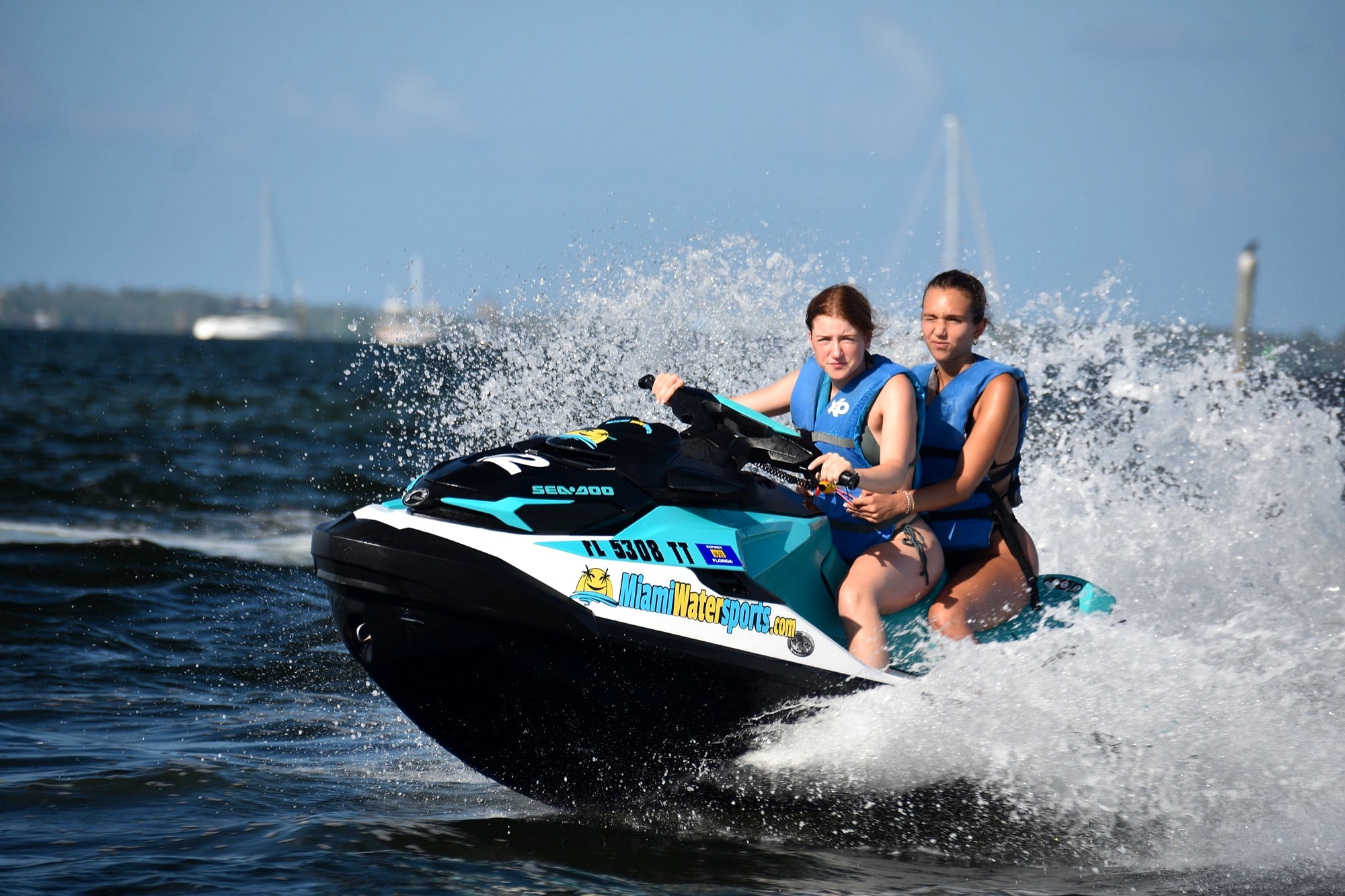
Here's the short answer: Miami jet ski weather is friendlier than most visitors expect, because Biscayne Bay is a protected, shallow body of water that stays rideable on days when the open Atlantic off South Beach is choppy and closed. Lightning never runs—safety is non-negotiable—but light rain, passing clouds, and ordinary summer humidity usually don't stop your 60-minute guided free-ride. When a genuine weather or operational cancellation does happen, you get a marina credit that is valid for 2 years, so a stormy forecast is never a reason to lose your spot on the water.
This guide explains, in real local detail, how wind, rain, lightning, heat, and the bay's tides shape your jet ski experience launching from Pier 9 at Dinner Key Marina in Coconut Grove—and how to read a Miami forecast like a local instead of cancelling on a cloud.
Key Takeaways
- Lightning is the only weather that guarantees a stop. Jet skis never operate during active lightning, and Miami Watersports pauses or reschedules rides until storms pass—there are no exceptions to this safety rule.
- Light rain usually still runs. A passing Miami shower rarely cancels a guided jet ski ride; you're already on the water and getting wet, and short rain bands typically move through in minutes on Biscayne Bay.
- Biscayne Bay stays calmer than the open ocean. Dinner Key Marina sits inside a protected bay shielded by barrier islands, so wind and swell that close the South Beach oceanfront often leave the bay perfectly rideable.
- Summer brings brief, predictable afternoon storms. Miami's wet season (roughly May through October) produces fast-moving thunderstorms that often clear in 30 to 60 minutes, so morning rides are the most weather-reliable in summer.
- Weather cancellations convert to a marina credit that is valid for 2 years. If Miami Watersports cancels for weather or operations, riders receive a marina credit valid for 2 years rather than a cash refund.
- You ride with a guide, not solo into unknown water. Every jet ski outing is a guided free-ride, so conditions are continuously monitored by people who know Biscayne Bay, not just by an app on your phone.
Why Biscayne Bay Weather Is Different From "Miami Beach" Weather
When travelers picture jet skiing in Miami, they often imagine launching straight into the Atlantic surf off South Beach. That's not where Miami Watersports operates—and that distinction is the single biggest reason our weather record is so forgiving.
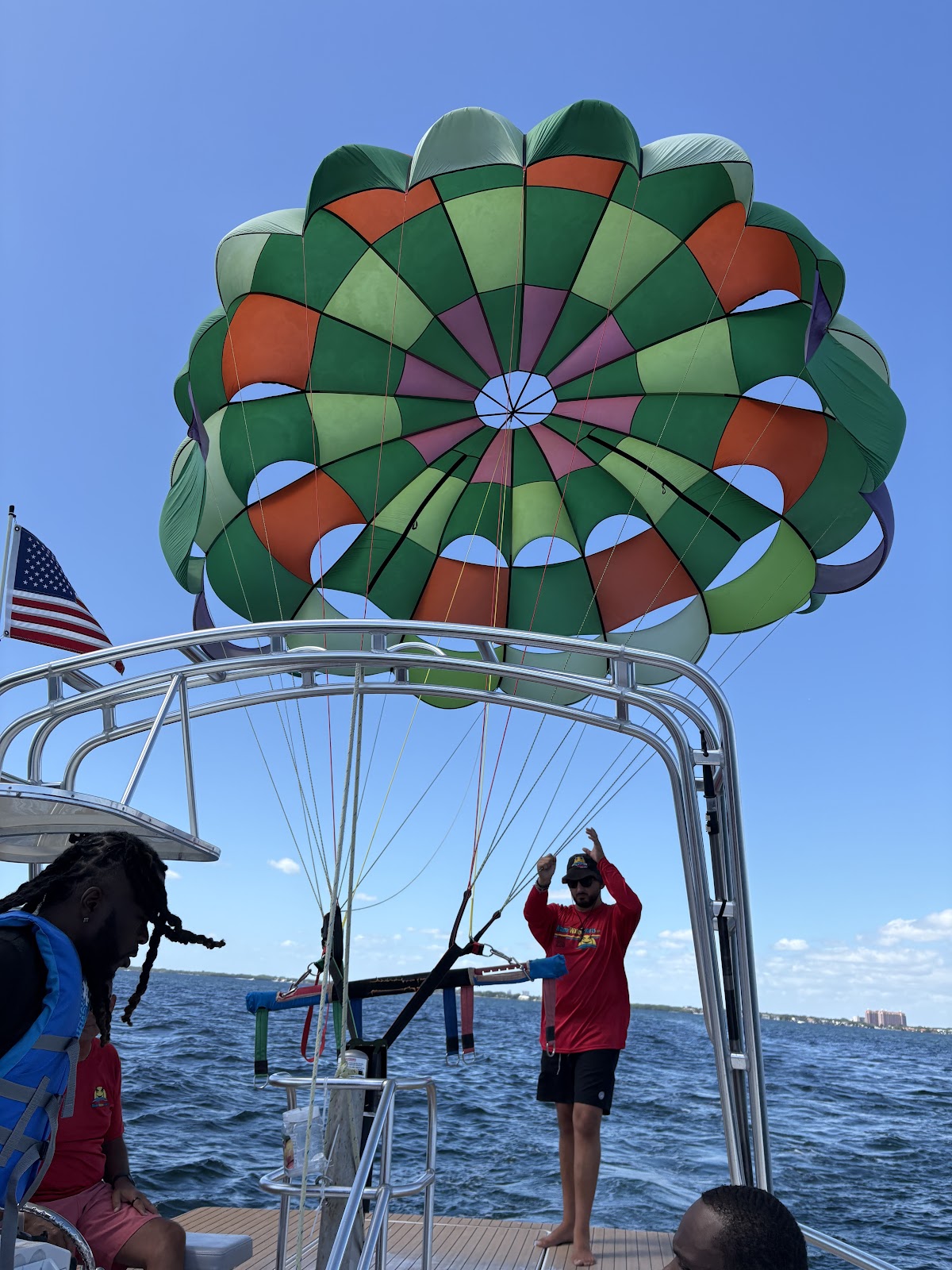
We launch from Pier 9 at Dinner Key Marina, 3400 Pan American Drive in Coconut Grove, directly onto Biscayne Bay. The bay is a broad, relatively shallow lagoon sheltered from the open Atlantic by a chain of barrier islands and the Florida reef tract beyond them. That geography acts like a natural breakwater. When an east wind kicks up two- to four-foot ocean swell and lifeguards close the South Beach oceanfront, the bay behind those barriers frequently stays smooth enough for a comfortable, controlled ride.
This is why a forecast that looks intimidating on a Miami Beach webcam can be a perfectly good jet ski day on the Coconut Grove side. The water you actually ride is protected, and our crew reads bay conditions specifically—not generic citywide alerts.
The protected-water advantage in practice
On the bay, "wind out of the east at 15 knots" behaves very differently than it does on the open coast. The barrier islands knock down the fetch (the distance wind travels over open water to build waves), so chop stays shorter and more manageable. You'll feel a livelier ride and a little spray, but the experience stays fun rather than punishing. The U.S. Coast Guard's boating safety guidance emphasizes that knowing your specific operating area's conditions matters more than a regional headline; you can read more about marine weather and personal watercraft safety at the U.S. Coast Guard's boating safety site.
Lightning: The One Forecast That Always Stops the Ride
There is exactly one weather condition that produces an automatic, no-discussion stop: lightning. A jet ski is a small craft on open water, and the rider is the highest point around. Florida is the most lightning-prone state in the country, and Miami sits in the heart of that activity during the warm months. We treat lightning as a hard line.
If lightning is detected in the area, rides are held on the dock or brought in early, and we wait out the cell before resuming. We follow the widely taught "30-30 rule" mindset used across boating education: if the time between a lightning flash and its thunder is short, the storm is close enough to be dangerous, and people stay off the water until well after the last strike. The National Weather Service Miami office tracks these cells in real time, and our crew watches the same radar.
What a lightning hold actually looks like for you
Miami thunderstorms are usually fast. A cell that forces a hold often passes in 30 to 60 minutes, and many afternoon storms are followed by calm, glassy water and dramatic skies—some of the prettiest riding conditions of the day. If a storm makes your scheduled slot impossible and we can't safely run it, that's a weather cancellation, and it converts to a marina credit that is valid for 2 years. You don't lose anything to the weather. For the current ride options and how booking works, see the jet ski activity page.
Rain on Biscayne Bay: Why Light Rain Usually Still Runs
This surprises a lot of first-timers: light rain usually does not cancel a Miami jet ski ride. You're on a watercraft. You're going to get splashed regardless. A warm Miami drizzle is genuinely no obstacle to a great hour on the bay, and the rain often makes the bay feel even more private as fair-weather crowds clear off the water.
The reason this works is the nature of Miami rain. Outside of organized storm systems, much of the city's rainfall comes from isolated, fast-moving showers that develop, dump, and dissipate within a small footprint. You can be in bright sun while a gray curtain of rain falls a mile away over the mangroves. On the bay, you'll often ride right around these pockets.
Rain that does change the plan
Heavy rain matters mainly because of what usually comes with it—reduced visibility and the lightning and gusty winds that accompany strong storm cells. A guide needs to see the water, other vessels, channel markers, and the rest of the group. When a downpour cuts visibility or arrives with lightning, that's when we pause, not because of the water hitting your face. The distinction is simple: we stop for what the storm brings (lightning, wind, blindness), not for the rain itself.
Wind, Chop, and How the Bay Reads on a Breezy Day
Wind is the variable that most often determines whether a day feels smooth or spirited. The good news is that Biscayne Bay gives you a wide window, and our guides adjust the route to the conditions rather than cancelling outright.
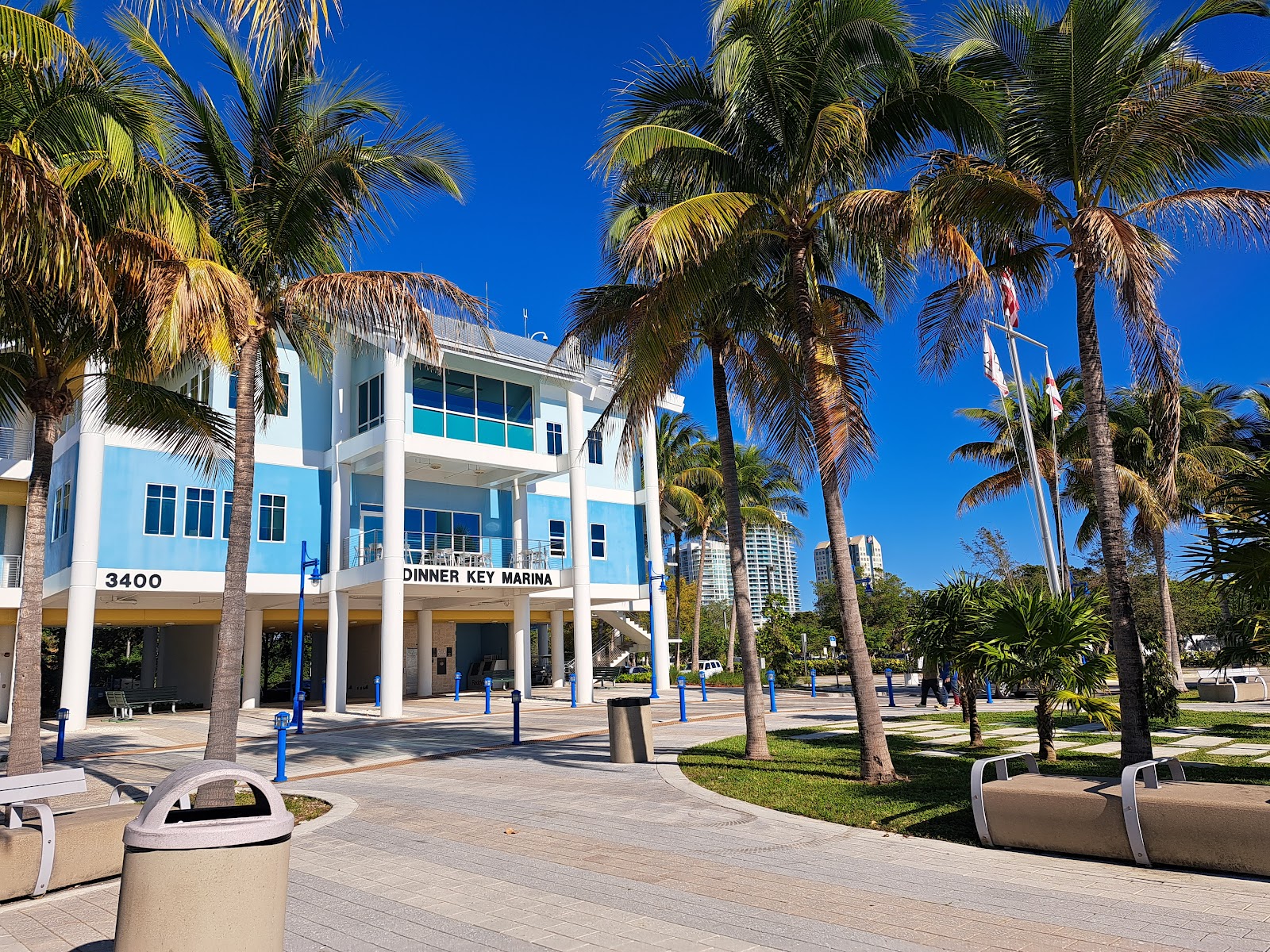
Light wind (the glassy days)
On calm mornings with light and variable wind, the bay can turn mirror-flat. These are the postcard days—effortless cruising, easy photos, and the smoothest ride for nervous first-timers or younger passengers (passengers must be at least 6). If you have flexibility, a morning slot in any season is your best bet for calm water, because Miami's sea breeze and convective storms typically build later in the day.
Moderate wind (the fun days)
A steady breeze puts a light texture on the bay. You'll get more spray and a bouncier ride, which many riders actually prefer—it feels more like "real" jet skiing. The barrier-island shelter keeps it controlled, and your guide picks lines that use the lee of land where helpful.
Strong wind (the judgment-call days)
When wind builds significantly, even the protected bay gets choppy, and that's when experience matters. Our crew weighs wind speed, direction, gust spread, and the specific route. Sometimes the answer is a modified, more sheltered ride; sometimes, for genuine safety, it's a reschedule. Florida's boating and waterways authority, the Florida Fish and Wildlife Conservation Commission, publishes the rules and safety expectations every operator on these waters follows, and conservative wind calls are part of running a responsible operation.
Miami's Two Seasons and What They Mean for Your Ride
Miami doesn't really have four seasons—it has a dry season and a wet season, and each has a distinct jet ski personality. Understanding the rhythm helps you pick the most weather-reliable time to book.
Dry season (roughly November through April)
This is Miami's marquee weather window. Humidity drops, rain is infrequent, and stable high-pressure days produce long stretches of sunshine. The main weather event to watch is the occasional cold front, which can bring a day or two of stronger north or northwest wind and cooler air before everything settles back to gorgeous. Outside of those frontal passages, dry-season days are about as reliable as outdoor watersports get anywhere in the country. Water temperatures are cooler than summer but still comfortable for a wetsuit-free ride for most visitors, and the lower humidity makes the heat far easier to handle.
Wet season (roughly May through October)
Summer in Miami means heat, humidity, and the famous afternoon thunderstorm pattern. Here's the local secret: those storms are highly predictable in their timing. Mornings are frequently clear and calm, the atmosphere heats through midday, and storms fire in the afternoon, often clearing again by evening. If you book a morning jet ski slot in summer, you sidestep the most common cancellation trigger entirely. This is also peak season for sea life on the bay—calm summer mornings are when you're most likely to spot rays, fish, and birds, and the surrounding ecosystem (including nearby Biscayne National Park) is at its most vibrant.
Hurricane season context
The Atlantic hurricane season runs June through November, but a named storm affecting South Florida is an occasional event, not a daily one. The vast majority of summer days are ordinary—hot, humid, with a chance of an afternoon shower. When a tropical system genuinely threatens the region, we cancel proactively for safety, and that cancellation converts to a marina credit valid for 2 years like any other weather cancellation.
Heat, Sun, and Comfort: The Weather Factor Everyone Forgets
When people ask about Miami jet ski weather, they usually mean rain and wind. But on a sunny day, heat and sun exposure are the conditions most likely to affect how much you enjoy the ride—and they're entirely manageable with a little planning.
You're on open water with sun reflecting off the bay from below, so UV exposure is intense even on hazy days. The riding itself helps: at speed, the breeze and spray keep you cool and comfortable, which is part of why a hot Miami afternoon feels great on a jet ski and miserable on a parking lot. The discomfort sneaks up during the slower moments—the safety briefing, the dock time, and the cruising portions.
Simple comfort rules for any Miami day
- Wear reef-safe sunscreen and reapply before you launch. Water and wind strip it fast.
- Bring polarized sunglasses with a strap. Glare off the bay is no joke, and a strap saves them from the water.
- Hydrate before you ride. Heat plus sun plus exertion adds up quickly.
- Secure a hat or rash guard for sun coverage. Lightweight long sleeves beat a sunburn every time.
- Remember swim ability is required. Every rider must be able to swim, since this is open-water riding with a guide nearby.
These small choices turn a hot forecast from a downside into the best part of your day.
Tides, Water Clarity, and the Hidden Half of Bay Conditions
Weather isn't only what falls from the sky—on a shallow bay, the tide quietly shapes your ride too. Biscayne Bay's water level swings with the tide cycle, and that affects clarity, the feel of the chop, and what you'll see beneath you.
On a calm day around higher water, the bay can be strikingly clear, with seagrass beds and the occasional ray or fish visible in the shallows. Wind-driven chop or a recent storm can stir up sediment and reduce that clarity temporarily. None of this stops a ride—it simply changes the character of it. Our guides know which routes show off the bay best given the day's combination of tide, wind, and light, and they'll steer toward the prettiest, calmest water available.
This local knowledge is exactly why a guided free-ride beats renting a craft and pointing yourself at the horizon. You're not guessing at conditions; you're riding with people who read this specific water every single day. If you're traveling with a mixed group and want to pair the ride with other on-water options, our parasailing and boat tour experiences read the same Biscayne Bay conditions and make a natural complement to a jet ski morning.
How Miami Watersports Makes the Weather Call
Behind every "we're running" or "let's reschedule" is a real decision process, and it's worth understanding so you know your day is in good hands.
What we monitor
Our crew watches live radar from the National Weather Service Miami office, tracks lightning detection in the immediate area, reads marine wind forecasts, and—critically—looks at the actual bay in front of us. A forecast is a probability; the water at Dinner Key Marina at your launch time is the reality, and the reality wins. The BoatUS Foundation offers excellent plain-language explainers on reading marine weather, and the same principles guide our daily calls.
How decisions favor you
We default to running when it's safe and comfortable, because we know you came to Miami to get on the water. We hold for lightning. We make conservative calls on serious wind. And when we do cancel for weather or operations, the outcome is designed to protect you: a marina credit that is valid for 2 years, never a forfeited booking. There are no cash refunds on these credits, but there's also no clock on them—you can use the credit on your next trip to Miami, whenever that is.
Member rate vs. Non-Member rate—and what that means on a weather day
Like a hotel with member and standard rates, Miami Watersports offers a member rate and a Non-Member rate. Members add a fuel and a tax & marina fee at check-in, while Non-Members pay an all-in rate. Weather policy is identical either way: lightning stops everyone, light rain usually runs for everyone, and cancellations convert to a marina credit valid for 2 years for everyone. Whichever rate applies to you, the current live pricing is always shown on the jet ski activity page—we never quote stale numbers in a blog post.
Planning Around Miami Jet Ski Weather: A Practical Checklist
Put it all together and you can plan a near-bulletproof jet ski day on Biscayne Bay:
- Book a morning slot, especially in summer. Calmest water, lowest storm risk, best clarity.
- Don't cancel on a rain forecast. A Miami forecast showing "scattered showers" is a normal, rideable day; light rain usually runs.
- Watch for lightning, not clouds. Clouds and drizzle are fine; electrical storms are the real stop signal.
- Check the Coconut Grove / Biscayne Bay conditions, not the South Beach surf. The protected bay is a different world from the open oceanfront.
- Build in flexibility if you can. If a storm cell parks over the bay at your slot time, a short wait often gets you glassy post-storm water.
- Confirm the swim and age basics. Driver 18+ (18+ to rent solo), passenger 6+, swim required, with a refundable security hold at check-in.
- Trust the marina credit. A genuine weather cancellation never costs you—the credit doesn't expire.
Conclusion: Don't Let a Cloud Cancel Your Bay Day
The honest truth about Miami jet ski weather is that it rarely gets in the way. Biscayne Bay's protected geography, Miami's fast-moving and predictable storm pattern, and a sensible policy that runs in light rain and only hard-stops for lightning all stack the odds in your favor. Add a morning slot and a little sunscreen, and you've got one of the most weather-reliable adventures in South Florida—launching right from Pier 9 at Dinner Key Marina in the heart of Coconut Grove.
And on the rare day the weather truly wins, you win too: your booking converts to a marina credit that is valid for 2 years, so your spot on the bay is always waiting. Ready to ride? Check live conditions, choose your single or double, and **book your guided 60-minute jet ski on Biscayne Bay at the jet ski activity page**—or call us at (786) 713-8006 and we'll help you pick the best window. Understanding Miami jet ski weather is the easy part; the hard part is wanting to leave the water.
Book your Miami jet ski adventure
Member rates apply on every booking. Tax & marina fee added at check-in.
Frequently Asked Questions
About Miami Watersports
The Miami Watersports crew has run parasailing, jet ski, flyboard, and boat trips from Pier 9 at Dinner Key Marina in Coconut Grove since 2007.