
The best parasailing Miami deals come down to three things: choosing the right rate structure (member rate vs. all-in Non-Member rate), timing your flight for the calmest conditions on Biscayne Bay, and booking from the right launch point. Miami Watersports has flown guests up to 400 feet over Biscayne Bay since 2007, launching from Pier 9 at Dinner Key Marina in Coconut Grove — the sheltered bay side of the city, not the crowded open-ocean stretch off South Beach. This guide explains exactly how to get the most value, what every published price actually includes, and how to read the conditions so your money buys a smooth, memorable flight rather than a weather rain-check.
Key Takeaways
- Parasailing in Miami is priced per rider, and the value depends on which rate you book: a member rate plus a small fuel and tax & marina fee paid at check-in, or an all-in Non-Member rate with nothing extra at the dock. See live pricing on the parasailing activity page.
- The launch point matters: Dinner Key Marina (Pier 9) in Coconut Grove sits on calm, protected Biscayne Bay, which generally means smoother takeoffs and landings than the open-ocean South Beach side.
- A parasail trip runs about one hour total with 6–10 minutes aloft, climbing up to 400 feet, using a dry takeoff and landing from the boat's flight deck — no swimming required.
- Parasailing is accessible: minimum age 5, maximum combined weight 450 lb for a flying group, and riders can go solo, tandem, or triple.
- Weather and operational cancellations are issued as a marina credit that is valid for 2 years — there are no cash refunds, so a rescheduled flight never means lost value.
- The single biggest factor in getting a good deal is timing: weekday mornings in the shoulder seasons tend to offer the calmest conditions and the easiest booking windows.
What "Parasailing Miami Deals" Actually Mean
When people search for parasailing Miami deals, they usually picture a single discounted number. The reality is more useful once you understand how the price is built. At Miami Watersports, parasailing is priced per rider — not per boat — so the cost scales naturally with how many people in your group actually fly. That structure is what lets a solo flyer, a couple flying tandem, and a family splitting across flights all pay fairly for what they each do.
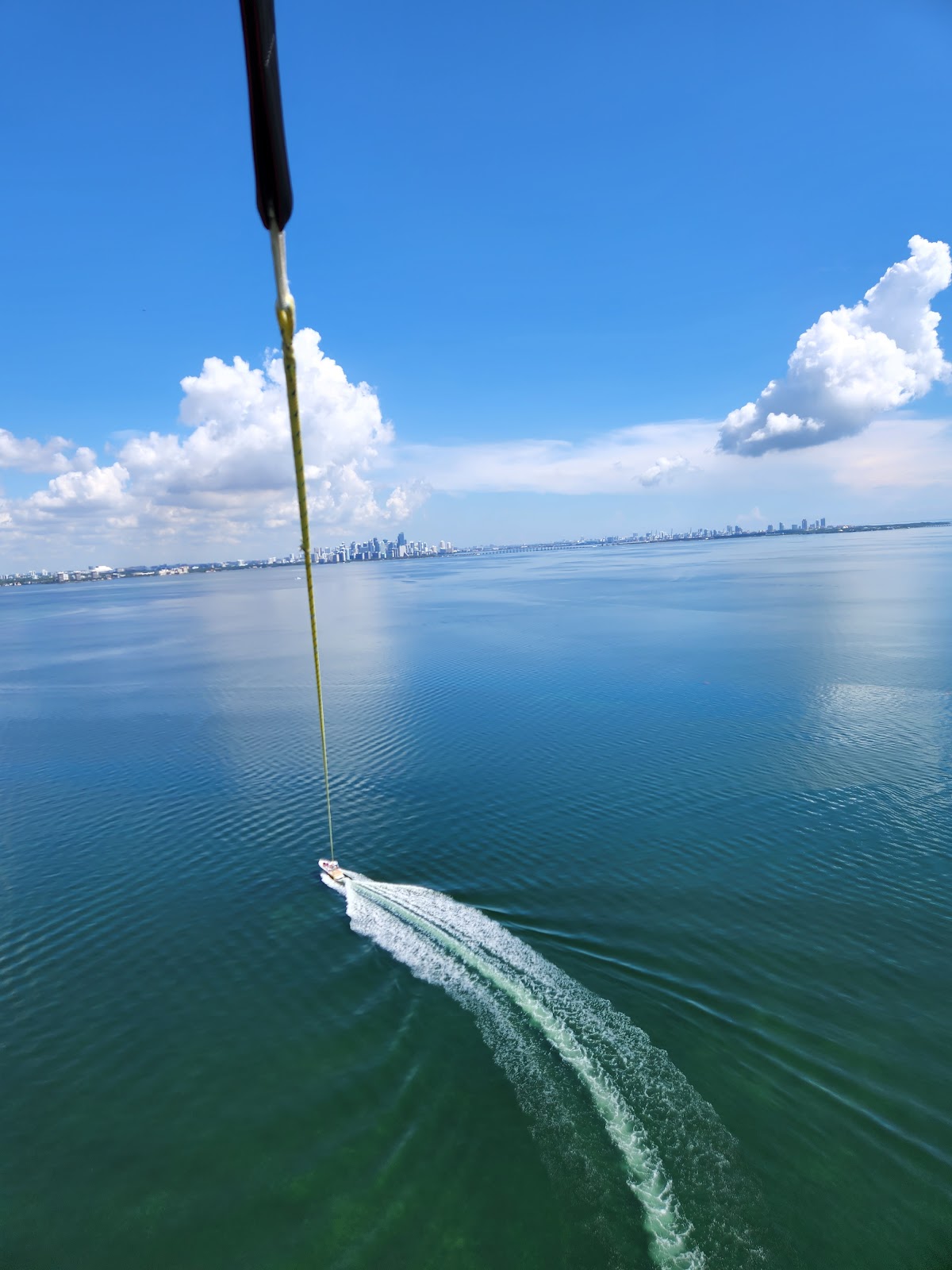
There are two ways the rate is presented, and knowing the difference is where the real savings live.
Member rate vs. Non-Member rate
Think of it like booking a hotel. A hotel shows you a member rate and a standard rate for the same room. The room is identical; the price structure differs.
- The member rate is the lower published rate for the flight itself. At check-in, members add a fuel and a tax & marina fee — small, transparent add-ons tied to the cost of running the boat and the marina.
- The Non-Member rate is an all-in number. What you see is what you pay; there is nothing extra collected at the dock.
Neither is automatically "cheaper" for everyone — it depends on your situation and how you prefer to pay. The point is that both are legitimate ways to book the same flight, and the smartest move is to look at the **live price on the parasailing activity page** before you decide, because that page always reflects the current member pricing and the current Non-Member rate. A blog can't quote you a number that stays accurate; the activity page can.
Why we don't publish a fixed number here
Watersports pricing moves with the season, fuel, and demand. Any figure printed in an article goes stale within weeks and ends up misleading the exact people it's trying to help. That's why every link in this guide points back to the live activity page. If you ever see a third-party listing quoting a hard number for a Miami parasail, treat it as a snapshot, not a guarantee, and confirm against the operator's own current pricing.
The Launch Point Is the Hidden Variable
Most guides talk about price and ignore geography. In Miami, geography is price — because where you launch determines how often you actually fly versus get weathered out, and a flight you can't take is the worst "deal" of all.
Biscayne Bay vs. the open-ocean South Beach side
Miami Watersports launches from Pier 9 at Dinner Key Marina, 3400 Pan American Drive, in Coconut Grove. That puts you on Biscayne Bay — a broad, shallow, largely protected body of water shielded from the full Atlantic swell. The open-ocean operators working off the South Beach / Atlantic side are exposed to bigger ocean chop and wind fetch.
For a parasailer, calmer water means a few concrete things:
- Smoother dry takeoffs and landings off the boat's flight deck, because the boat is more stable.
- Fewer last-minute weather scrubs, since protected water handles marginal wind better than the open ocean.
- A more scenic, steadier climb to 400 feet, with views back across the Grove, the downtown Miami skyline, Key Biscayne, and the bay's signature turquoise shallows.
Biscayne Bay's ecological importance is real, too — much of the southern bay falls within Biscayne National Park, one of the largest marine parks in the National Park System. Flying over this water, you're looking down on seagrass flats and mangrove shoreline that the park exists to protect. Reputable operators run with that environment in mind.
Coconut Grove as a base
The Grove is one of Miami's oldest and most walkable neighborhoods, with shaded streets, waterfront restaurants, and easy parking around Dinner Key compared to the gridlock of South Beach. Building a parasail flight into a Grove afternoon — lunch on the water, a flight, a walk through the village — is part of what makes the trip feel like a deal rather than a transaction. You're not fighting Ocean Drive traffic to get to the dock.
Timing: The Real Way to Get a Better Deal
If you want the strongest combination of value and experience, optimize when you fly. The calmest air and water in South Florida is almost always early.
Best time of day
Mornings on Biscayne Bay are typically glassy. Florida's classic sea-breeze pattern builds heat through the day, and that heat drives the afternoon wind and the famous summer thunderstorms. A morning flight usually means:
- Lighter wind and flatter water for a smoother ride.
- Lower odds of an afternoon storm scrubbing your slot.
- Better light for photos, with the sun behind you over the bay.
Late afternoon near sunset can be spectacular for color, but it carries more weather risk in the wet season. If your schedule is flexible, book the earliest flight you can.
Best season
South Florida has two broad seasons: the dry season (roughly late fall through spring) and the wet season (roughly late spring through early fall).
- Dry season brings lower humidity, fewer storms, and reliably bookable days. It's peak demand, so reserve ahead.
- Wet season is hotter with daily afternoon thunderstorms, but mornings are often beautiful and the bay is warm. Flexible travelers who book early-day slots can do very well here.
Across both seasons, weekday mornings are the sweet spot for the easiest booking and the calmest conditions. Weekends and holidays fill first.
Watch the forecast — and know the policy
Before you go, check the National Weather Service Miami office for the marine and thunderstorm outlook, and note the wind. Here's the part that protects your wallet: at Miami Watersports, if weather or an operational issue cancels your flight, you receive a marina credit that is valid for 2 years — not a cash refund. Lightning means the boats never run; light rain usually doesn't stop a flight, because rain alone isn't a safety problem the way electrical storms are. So a "lost" day is never lost money — it converts to a future flight on your timeline. That credit (valid 2 years) is one of the most underrated parts of the value here.
What You Actually Get for the Price
A good deal isn't just a low number — it's what the number buys. A Miami Watersports parasail flight includes the things that make parasailing safe and genuinely fun.
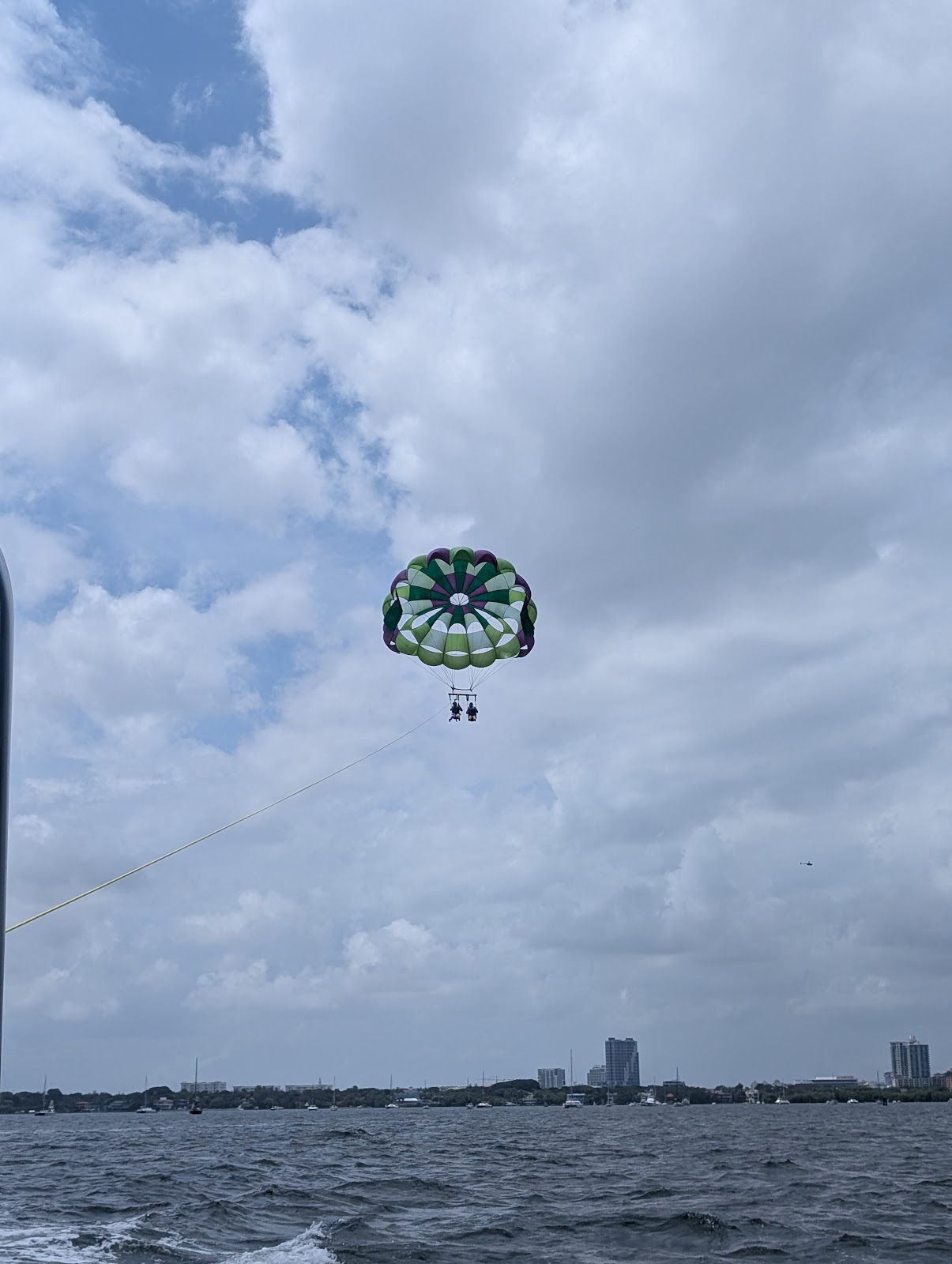
The flight itself
- Up to 400 feet of altitude over Biscayne Bay — high enough for the wide-angle skyline-and-bay view, with a calm, floating sensation rather than a thrill-ride jolt.
- 6–10 minutes aloft on a trip that runs about an hour door-to-dock, including the boat ride out to the launch zone and back.
- Dry takeoff and landing from the boat's flight deck, so you lift off and set down gently on the boat — you don't have to swim, and most people stay completely dry.
Who can fly
- Minimum age 5, which makes it one of the most family-friendly watersports in Miami.
- Maximum combined weight of 450 lb per flying group, which determines whether you go solo, tandem, or triple.
- Solo, tandem, or triple configurations let couples fly together or a parent fly with kids, within the weight limit.
Because no swimming is required and the takeoff is dry, parasailing is often the right pick for groups with mixed comfort levels in the water — a key reason it's such a good value for families compared with activities that demand swimming or balance.
Comparing parasailing to other Miami watersports
Parasailing is the calm, scenic, everyone-can-do-it option. If your group wants a mix, it pairs naturally with faster activities. Many guests combine a parasail with a jet ski rental for the adrenaline contrast, or add a boat tour to stretch the day on the water. Building a small package across activities is often a smarter use of a Miami afternoon than booking a single thing — and each activity page shows its own live pricing so you can plan the whole day without guessing.
How to Lock In the Best Parasailing Miami Deal — Step by Step
Here's the practical sequence locals use to get the most for their money.
- Decide your group and configuration. Count who's actually flying and whether you'll go solo, tandem, or triple. Remember the 450 lb combined limit per flying group and the minimum age of 5.
- Pick a weekday morning if you can. This is the highest-leverage decision for both calm conditions and easy availability.
- **Check the live price on the parasailing activity page.** Compare the member rate (plus the fuel and tax & marina fee at check-in) against the all-in Non-Member rate, and choose what fits how you want to pay.
- Check the weather window on the National Weather Service Miami outlook, focusing on morning wind and thunderstorm timing.
- Book ahead in peak season. Dry-season weekends and holidays fill first; reserving early is how you protect both your slot and your preferred time.
- Know the credit policy. Because weather cancellations become a marina credit valid for 2 years, you can book with confidence even if the forecast is uncertain — you'll never lose the value.
Red flags when shopping third-party listings
- Hard-printed prices on aggregator sites that may be out of date — always confirm against the operator's own current pricing.
- Open-ocean launch points that sound the same but expose you to rougher water and more weather scrubs than the protected bay.
- Vague cancellation terms. A marina credit valid for 2 years (as at Miami Watersports) is far more valuable than a "no refunds, no rescheduling" policy.
Safety and the Bay: Why the Right Operator Is the Best Value
The cheapest flight in the world is a bad deal if the operation cuts corners. Parasailing is overwhelmingly safe when run by a careful crew on a well-maintained boat, in suitable conditions — and that's exactly where an established, locally rooted operator earns its rate.
Florida regulates boating and on-water commercial activity, and responsible operators run within those rules. The Florida Fish and Wildlife Conservation Commission oversees boating and waterways in the state, and the Florida Highway Safety and Motor Vehicles boating safety center publishes the education and safety standards Florida boaters operate under. For broader, non-commercial safety background, the U.S. Coast Guard's boating safety resources are the national reference. When you fly with a crew that respects these standards — checking wind, refusing to launch in lightning, and maintaining their equipment — you're buying judgment, not just a ride.
That judgment is the difference between an operator that flies you in marginal conditions to bank the booking and one that calls it, hands you a credit (valid 2 years), and flies you on a perfect morning instead. Since 2007, that conservative, weather-respecting approach is how Miami Watersports has built its reputation on Biscayne Bay.
What to expect at check-in
Plan to arrive a bit early at Pier 9, Dinner Key Marina, 3400 Pan American Drive, Coconut Grove. The crew will confirm your flying configuration and weights against the 450 lb limit, give a short safety briefing, and get your group settled on the boat. The ride out to the launch zone is part of the hour and part of the fun — you're already on Biscayne Bay, watching the Grove and the skyline open up before you ever leave the deck.
Frequently Overlooked Ways to Save
Beyond the headline rate, a few habits consistently stretch your money:
- Fly off-peak. Weekday mornings in the shoulder seasons combine the calmest water with the easiest availability — the closest thing to a guaranteed great flight.
- Bundle activities. Combining your parasail with a jet ski session or a boat tour turns a single outing into a half-day on the water and is often the better overall value than separate trips.
- Right-size your group. Because pricing is per rider and flights can be solo, tandem, or triple, matching your configuration to who actually wants to fly avoids paying for seats you won't use.
- Lean on the credit policy. The marina credit (valid for 2 years) means you can book even when the forecast is uncertain — there's no penalty for nature having other plans.
- Confirm live pricing. Always book against the current numbers on the parasailing activity page rather than a static figure from a search result.
The Bottom Line on Parasailing Miami Deals
The best parasailing Miami deals aren't about chasing the lowest sticker price — they're about matching the right rate to how you want to pay, flying from calm Biscayne Bay rather than the rough open ocean, timing your flight for a glassy weekday morning, and booking with an operator whose credit (valid 2 years) policy means you never lose value to the weather. Do those four things and you'll get a smoother flight, a better view, and more confidence for your money than any one-line discount could ever deliver.
Miami Watersports has been flying guests up to 400 feet over Biscayne Bay from Pier 9 at Dinner Key Marina since 2007, with dry takeoffs and landings, flights for ages 5 and up, and a credit policy that protects every booking. Check today's live member and Non-Member rates and reserve your flight on the parasailing activity page, or call (786) 713-8006 to plan a flight or a full day on the bay.
Book your Miami parasailing adventure
Member rates apply on every booking. Tax & marina fee added at check-in.
Frequently Asked Questions
About Miami Watersports
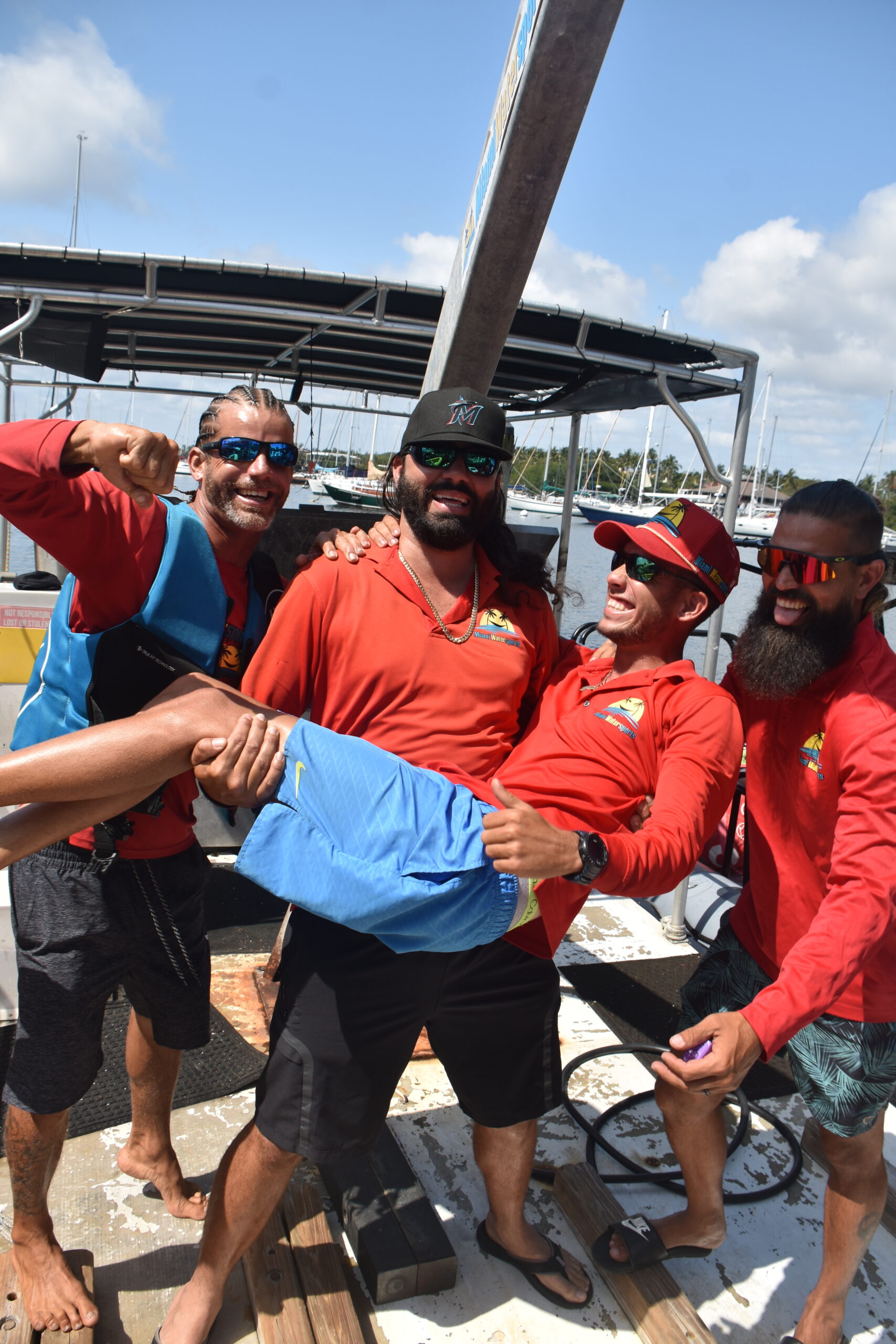
The Miami Watersports crew has run parasailing, jet ski, flyboard, and boat trips from Pier 9 at Dinner Key Marina in Coconut Grove since 2007.