
Capturing epic jet ski Miami photos and video comes down to three things: a securely mounted, waterproof camera; the right light and angle on calm water; and a guided ride that puts the skyline, the bay, and the sunset behind you instead of a wall of boat wakes. On a 60-minute guided free-ride launching from Pier 9 at Dinner Key Marina in Coconut Grove, you ride the protected, glassy water of Biscayne Bay — which is exactly the kind of stable, photogenic surface that makes handheld and chest-mounted footage look cinematic instead of shaky. This guide walks you through the gear, the angles, the timing, and the on-water safety habits that turn a fun ride into a highlight reel.
Key Takeaways
- Biscayne Bay launches from Dinner Key Marina (Pier 9, 3400 Pan American Drive, Coconut Grove) sit on protected, generally calmer water than the crowded open-ocean South Beach side, which makes for steadier, more usable jet ski photos and video.
- An action camera on a chest mount or floating handgrip plus a tethered, waterproof phone case is the most reliable kit for capturing footage while jet skiing — anything not physically secured can be lost overboard.
- The strongest natural light for Miami water footage is the "golden hour" window shortly after sunrise and before sunset, when the Biscayne Bay surface goes soft and the downtown skyline lights up.
- Jet ski rides at Miami Watersports are 60-minute guided free-rides; the driver must be 18 or older (18+ to rent solo), passengers must be 6 or older, and everyone must be able to swim and wear a Coast Guard-approved life jacket.
- Weather drives both safety and footage quality — lightning means the ride never runs, while light rain usually does; if the marina cancels for weather or operations, you receive a marina credit that is valid for 2 years.
- Keep both hands on the controls when underway and frame your shots during the guide's stops or steady stretches, never by fumbling with gear at speed.
Why Biscayne Bay Is Built for Footage
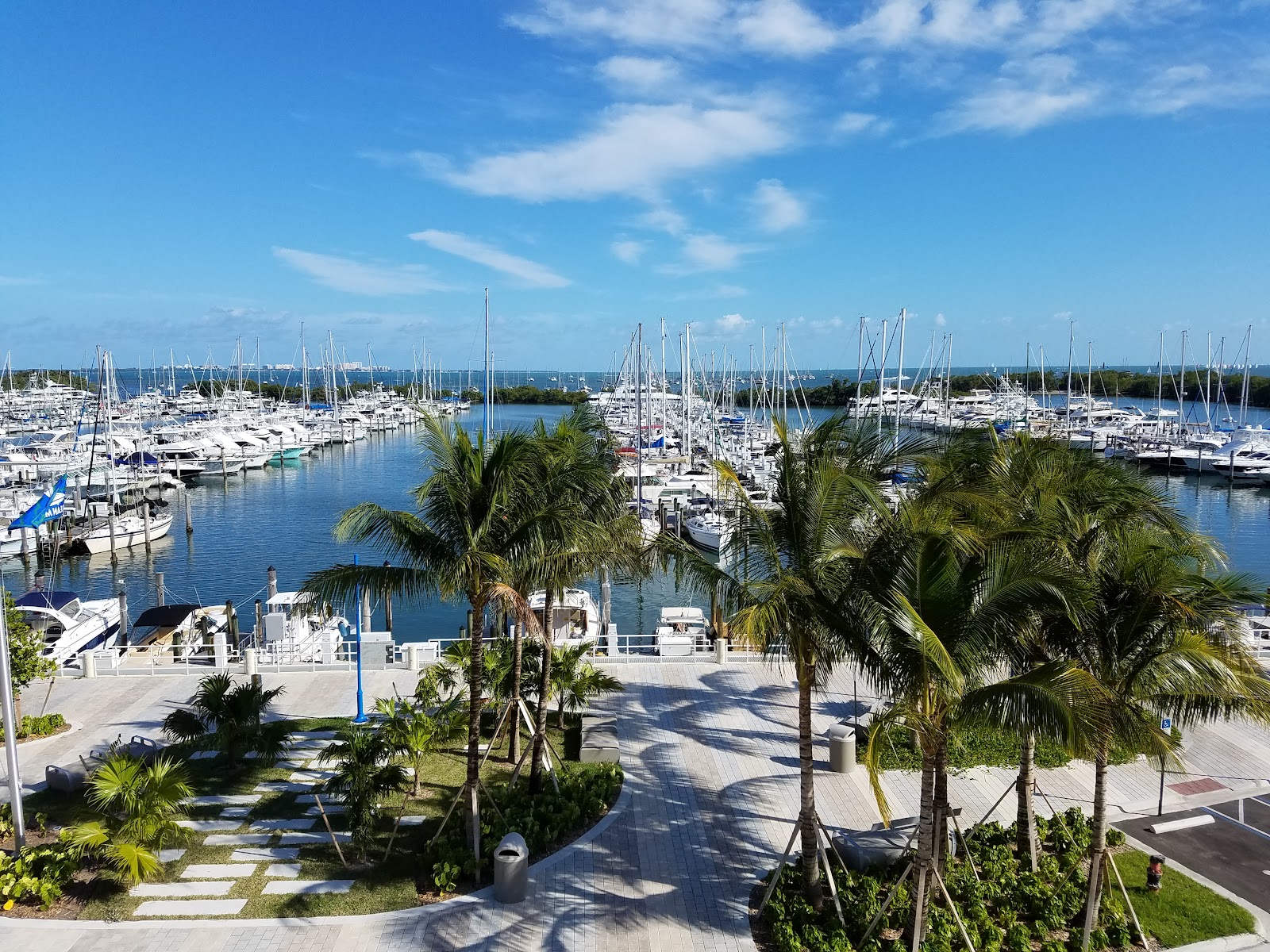
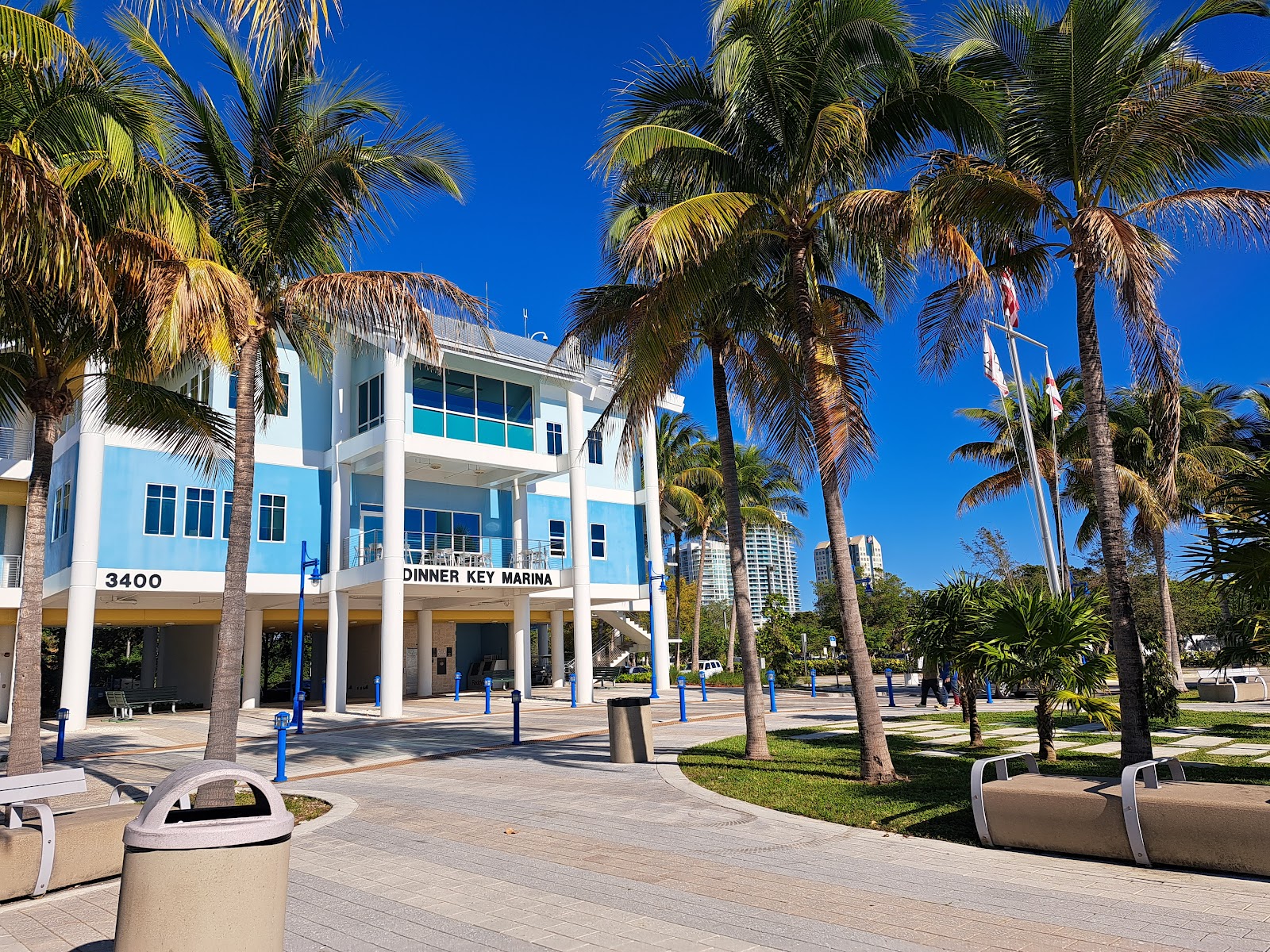
Most visitors picture jet skiing in Miami as a battle with chop off South Beach. The reality for anyone serious about footage is the opposite: the water you want is the protected expanse of Biscayne Bay, and the launch point that gets you there cleanly is Pier 9 at Dinner Key Marina in Coconut Grove.
Dinner Key sits inside a sheltered basin on the western shore of the bay, tucked below the open Atlantic. Because the barrier islands and the geometry of the bay knock down ocean swell, the surface here is frequently flatter and more forgiving than the open-ocean side near South Beach, where boat traffic and ocean chop combine into the kind of relentless slap that ruins a tripod-less shot. Calmer water means your camera isn't fighting constant vibration, so stabilized footage actually looks stabilized.
The scenery does the rest. From the bay you get long, uninterrupted sightlines to the downtown Miami and Brickell skyline, the green canopy of Coconut Grove, and — depending on the route your guide takes — the stilt houses of Stiltsville and the open water that leads toward Biscayne National Park, one of the largest marine parks in the National Park System. That mix of skyline, mangrove shoreline, and turquoise shallows gives you genuine variety in a single 60-minute window, which is what separates a memorable edit from ten near-identical clips.
The South Beach Comparison
It's worth being honest about the tradeoff. The open-ocean side near South Beach has its own appeal, but for photo and video purposes it's harder: more wakes crossing each other, more spray on your lens, and a busier, less controllable backdrop. Coconut Grove's bay launch trades a little of that postcard recognition for a lot more stability and a skyline that, frankly, photographs better in the morning and evening. If your goal is footage you'll actually post, the calmer water wins.
The Gear That Actually Survives a Jet Ski
The single biggest mistake people make is bringing a camera they aren't willing to drop in salt water. Assume everything you carry will get splashed, and assume anything not tethered can go to the bottom of the bay.
Action camera first
A modern action camera (the GoPro-style waterproof type) is the backbone of jet ski Miami photos and video for a reason: it's small, natively waterproof, wide-angle, and built around mounting. Its electronic stabilization is designed for exactly this kind of motion, and its wide field of view captures both you and the skyline without you having to aim precisely while riding.
Mount it, don't hold it
- Chest mount (harness): The best all-around option. It frames a first-person view of your hands on the controls and the water rushing past, and it keeps both hands free for safe riding. This is the angle that reads as "I was really doing this."
- Floating handgrip: A buoyant grip means a dropped camera floats instead of sinks. Use it only during stops or slow, steady stretches — never while accelerating or turning.
- Helmet/headband mount: Gives a true point-of-view eyeline, great for looking back at the skyline. It can be slightly bouncier than a chest mount.
Avoid suction mounts on a jet ski. Adhesive and suction mounts that work on a car windshield are not reliable against the pounding and spray of bay riding. If you mount to the watercraft at all, do it only with operator approval and a backup tether.
Your phone, in a real case
Phones take excellent footage now, but a phone is also the easiest thing to lose overboard. If you bring one, use a genuinely waterproof, floating pouch with a neck or wrist lanyard, and treat it as a stops-only camera. Salt water and a bare phone are not friends.
The non-negotiable: tethers and floats
Every piece of gear should be either floating, tethered to your body, or both. Lanyards, leashes, and floaty backings are cheap insurance against an expensive, unrecoverable loss in open water. Nothing you carry should be capable of silently disappearing.
Timing the Light: Miami's Golden Hours
Light is the variable that separates amateur jet ski footage from images that look professional, and Miami gives you two windows worth planning around.
The hour or so after sunrise and the hour or so before sunset — the classic "golden hour" — bathes Biscayne Bay in warm, low-angle light. The water surface softens, harsh midday glare disappears, and the downtown skyline either catches first light or glows against a deepening sky. Miami Watersports operates seven days a week from 10 a.m. to sunset, so the late-afternoon-into-sunset window is the realistic golden hour for most riders, and it's the one worth booking around if footage is your priority.
Midday rides are still spectacular for the water color — the shallows over sand flats can turn an electric turquoise under high sun — but midday light is contrastier and the glare off the water is stronger. If you ride midday, shoot with the sun behind you whenever possible so your subject is lit rather than silhouetted, and let that turquoise water be the star.
Check conditions before you go. The National Weather Service Miami office publishes local marine and coastal forecasts, and a quick look the morning of your ride tells you what kind of light, wind, and sky you're working with. Wind direction matters as much as sun: a light wind can leave the bay glassy, while a stiff afternoon sea breeze adds texture and chop that, depending on your taste, either adds drama or adds shake.
Composition: Angles That Make the Bay Look Epic
Great footage is mostly about what's behind you. On Biscayne Bay you have four backdrops worth deliberately working into your shots.
The skyline shot
Position so the downtown Miami and Brickell skyline sits behind you and your guide leads a steady pass. A chest-mounted camera looking slightly up captures both your hands on the controls and the towers in the distance. This is the signature Miami jet ski frame, and it's strongest in late-afternoon light when the buildings start to glow.
The wake and spray shot
A camera mounted low, looking back, catches the rooster-tail of spray behind the watercraft. It reads as speed and energy even at modest pace. Save this for straight, steady stretches where your guide has the group moving in a line.
The first-person hands-on shot
The chest-mount POV — your hands, the handlebars, the water rushing toward you — is the most visceral angle and the one viewers feel. It needs no skyline to work, which makes it your reliable fallback in any conditions.
The wide environment shot
During the guide's stops, hold a floating grip out at arm's length for a wider, drone-like perspective that places you in the vastness of the bay. With the mangrove shoreline or Stiltsville in the distance, this is the clip that gives your edit a sense of place.
A note on aiming: you cannot safely compose precise shots while underway. Set your camera to a wide field of view, start recording before you move, and trust the framing. Do your deliberate, hand-held compositions only when the watercraft is stopped or moving slowly under the guide's direction.
Safety First — and Why It Makes Better Footage
The habits that keep you safe are the same ones that produce stable, usable footage. This isn't a coincidence: a rider in control films better than a rider distracted by a phone.
Hands on the controls
When the watercraft is underway, both hands belong on the handlebars. That's why mounted cameras matter — a chest mount or helmet mount records continuously without ever pulling a hand off the controls. Fumbling for a handheld at speed is how people both crash and lose cameras.
Wear the life jacket, know how to swim
Every rider at Miami Watersports wears a Coast Guard-approved life jacket, and swimming ability is required because this is open-water riding. The U.S. Coast Guard's boating safety program is unambiguous that a properly fitted, worn life jacket is the single most important piece of safety equipment on the water — and a snug jacket is also a perfect, stable anchor point for a chest mount.
Ride within the rules
Florida regulates personal watercraft operation, including operator age and education requirements. The Florida Fish and Wildlife Conservation Commission and the state's boater education program set the standards your guide operates under. At Miami Watersports, the driver must be at least 18 (and 18 or older to rent solo), passengers must be at least 6, and you ride as a guided group — which keeps spacing safe and, conveniently, keeps other riders available as subjects for your footage.
Respect the wildlife and the shallows
Biscayne Bay is a living ecosystem with seagrass beds, manatees, and shallow flats. Stay in the channels and follow your guide; running aground or buzzing wildlife is both unsafe and illegal in protected zones. The BoatUS Foundation offers solid plain-language guidance on operating responsibly around other vessels and sensitive areas — and a respectful distance, incidentally, gives you cleaner, more natural wildlife footage than crowding ever would.
Weather, Conditions, and the Footage They Produce
Weather is both a safety gate and a creative variable, and understanding how Miami Watersports handles it helps you plan a footage-focused ride.
Lightning is an absolute stop — rides never run when there's lightning in the area, full stop. Light rain, on the other hand, usually runs, and a passing Miami shower can actually make for moody, dramatic footage with dark skies and broken light over the bay. Summer in Miami brings near-daily afternoon thunderstorms that build fast and clear fast; if you're chasing the cleanest golden-hour light in the warm months, an earlier-in-the-day ride or a careful eye on the radar pays off.
Winter and spring tend to bring drier air, more stable conditions, and crisp visibility that makes the skyline pop from across the bay. The flip side is that cold fronts can stir up wind and chop for a day or two, so the calmest bay water is often found in the lighter-wind windows between fronts.
Because conditions in Miami can change quickly, Miami Watersports treats weather and operational cancellations the same way: if the marina has to cancel your ride, you receive a marina credit that is valid for 2 years rather than a cash refund. That policy means a weather call is never a wasted trip — your ride simply moves to a day with better water and better light, which is usually better for your footage anyway.
Booking the Right Ride for Your Footage Goals
A little planning at the booking stage makes the difference between filming whatever happens and filming what you came for.
Single vs. double
The jet ski free-ride comes as a single-rider (1-seater, up to 250 lb) or a double (2-seater, up to 400 lb combined). For footage, each has a personality:
- Single: Maximum freedom of movement and the purest first-person POV. You control your line, so you can position yourself for the skyline shot without coordinating with a passenger.
- Double: Built-in two-person dynamic — the passenger can capture the driver, the driver can react to the passenger, and you get reaction shots and reverse angles a solo rider can't. If you want footage *of* yourself rather than just *from* your point of view, ride double and let the passenger run the camera during stops.
You can see current options, requirements, and live pricing on the jet ski activity page.
Member rate vs. Non-Member rate
Miami Watersports prices its activities a bit like a hotel: there's a Member rate and a Non-Member rate. Members add a fuel plus tax and marina fee at check-in, while Non-Members pay a simple all-in rate. Pricing is per rider and is always shown live on the activity page, so check the jet ski page for the current member pricing rather than relying on any number you read elsewhere. The security hold placed at check-in is refundable.
Build a half-day on the water
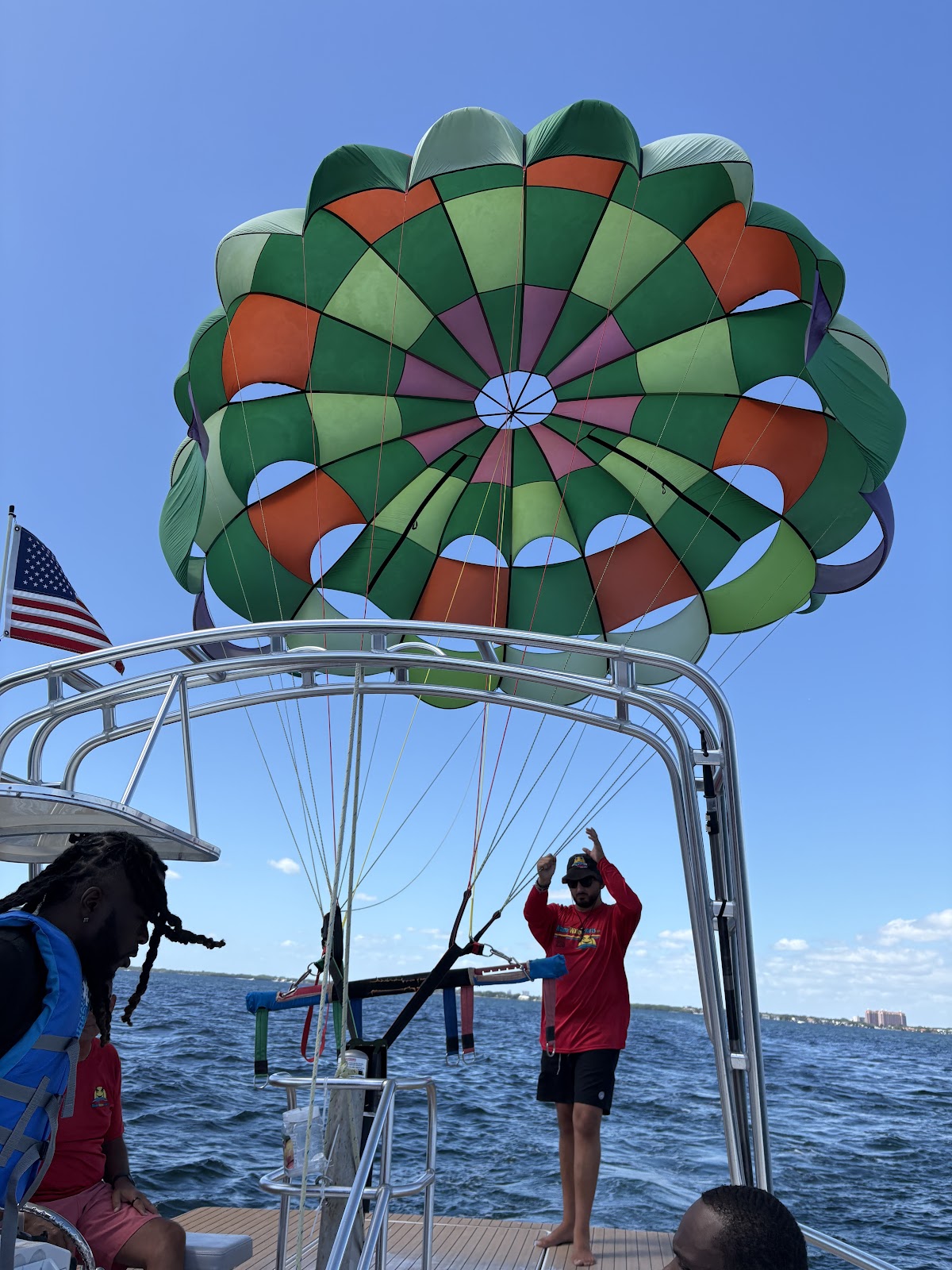
If you're investing in gear and golden-hour light, consider stacking activities for a richer edit. A parasail flight delivers the aerial skyline-and-bay establishing shot no jet ski angle can match, and a speed boat ride gives you a stable platform for filming riders from the water. Pairing a jet ski ride with one of these turns a single clip into a story.
A Simple Shoot Plan for Your 60 Minutes
You have a 60-minute guided window. Here's how to spend it so you come back with a complete set of clips:
- Before launch: Mount and power on your chest cam, confirm it's recording or set to auto, and double-check every tether. Frame nothing yet — just make sure the gear is live and secured.
- First steady stretch: Let the POV chest cam roll. Don't touch it. This is your reliable hands-on footage and it's already in the bag.
- Skyline pass: When your guide lines up a steady pass with downtown behind you, that's your hero shot. Keep your posture open so the camera sees past you.
- A guide stop: This is the only time to go hand-held. Grab the floating grip, shoot a wide environment clip and a couple of deliberate compositions, then re-secure everything before moving.
- Sunset, if you've timed it: Save battery and storage for the last stretch. Low light over the bay is your best frame — let it run long.
- Back at the dock: Don't unmount until you're stable at the dock. Plenty of great gear has been lost in the last thirty seconds of a ride.
Conclusion
Epic jet ski Miami photos and video aren't about luck — they're about calm water, secured gear, good light, and a guided ride that puts the right backdrop behind you. Launching from Pier 9 at Dinner Key Marina onto the protected expanse of Biscayne Bay gives you the steady surface and the skyline that the crowded open-ocean South Beach side simply can't, and a 60-minute guided free-ride is the perfect window to capture it all safely. Mount your camera, tether everything, ride within the rules, and aim for that late-afternoon golden hour — then let the bay do the work.
Ready to capture your own footage? Check current options and live member pricing, then book your ride on the Miami Watersports jet ski page. Bring the camera. We'll bring the bay.
Book your Miami jet ski adventure
Member rates apply on every booking. Tax & marina fee added at check-in.
Frequently Asked Questions
About Miami Watersports
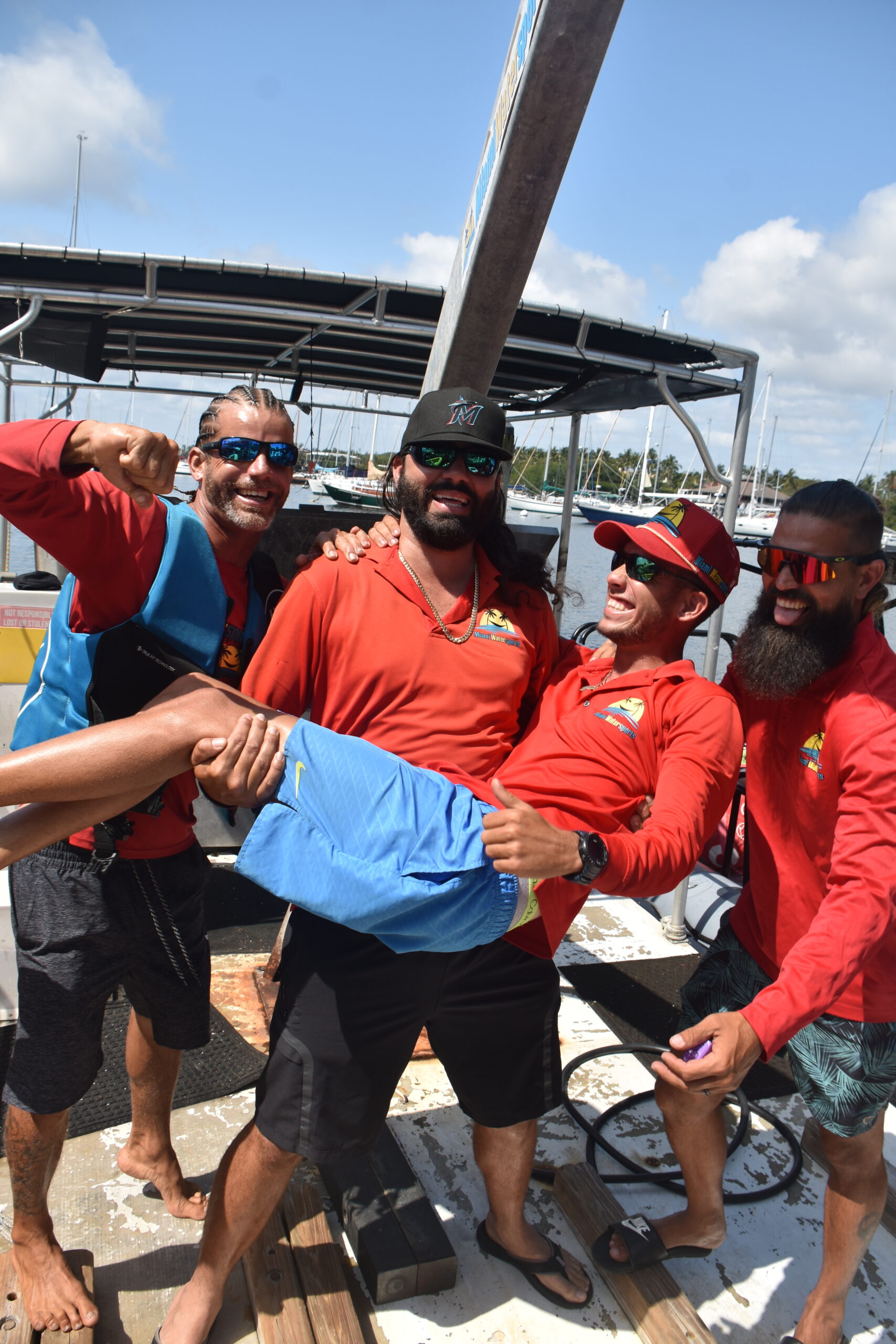
The Miami Watersports crew has run parasailing, jet ski, flyboard, and boat trips from Pier 9 at Dinner Key Marina in Coconut Grove since 2007.