
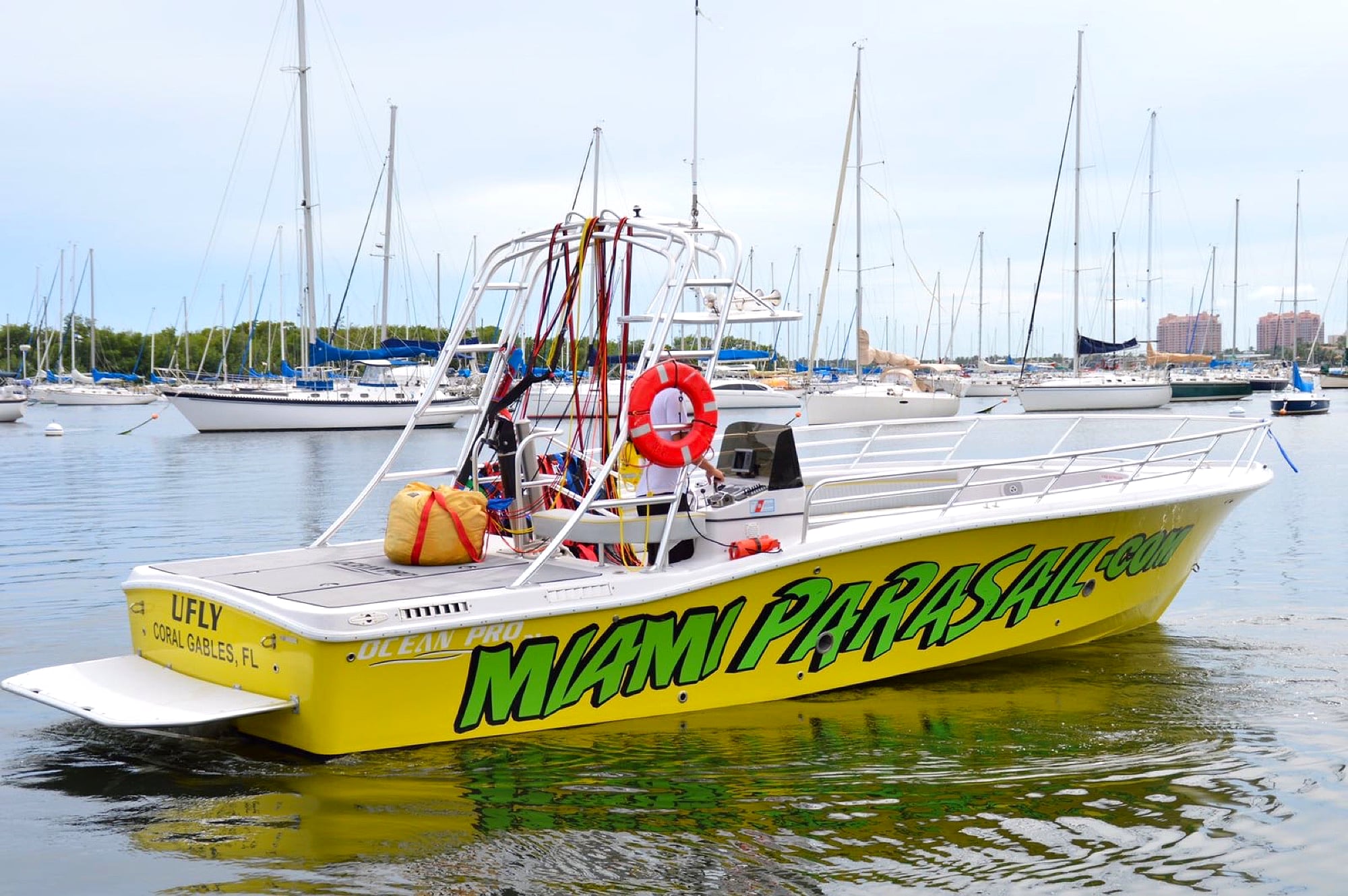
If you want the single best day on the water in Miami, the answer is the jet ski and parasailing Miami combo: a 60-minute guided jet ski free-ride across the protected flats of Biscayne Bay paired with a smooth parasail flight that lifts you high above the same blue water. Booked from Pier 9 at Dinner Key Marina in Coconut Grove, this pairing gives you both the throttle-down adrenaline of a personal watercraft and the quiet, panoramic calm of flying — two completely different ways to experience the bay in one outing. It's the trip locals recommend to first-time visitors because it covers the full range of what Miami's waters can offer without leaving the sheltered, beginner-friendly side of the city.
Key Takeaways
- The jet ski and parasailing Miami combo pairs a 60-minute guided jet ski free-ride on Biscayne Bay with a parasail flight, both launching from Pier 9 at Dinner Key Marina in Coconut Grove.
- Jet skis come as a Single (1-seater, max 250 lb) or a Double (2-seater, max 400 lb combined); the driver must be 18 or older (18 or older to rent solo) and passengers must be at least 6 years old.
- Both activities run on Biscayne Bay, which is generally calmer and more protected than the open Atlantic on the South Beach side, making it well suited to first-timers and families.
- Swimming ability is required for the jet ski, and a refundable security hold applies; parasailing requires no swimming skill and you can choose to stay dry or get a quick dip.
- Lightning shuts operations down entirely, but light rain usually does not; weather or operational cancellations are covered by a marina credit that is valid for 2 years rather than a cash refund.
- Pricing is per rider, with a Member rate and a Non-Member rate; the live, current price for each activity is shown on its booking page.
Why Pair Jet Ski and Parasailing in One Trip
Most visitors book a single watersports activity, then wish they had done more. The jet ski and parasailing combo solves that by giving you two experiences that complement rather than repeat each other.
A jet ski is hands-on and kinetic. You're at the controls, carving across the water, feeling every wake and turn, with a guide leading the route so you always know where you're going and where it's safe to open up. It's the part of the day where you make the memories that involve speed, spray, and a little bit of friendly competition with whoever is riding next to you.
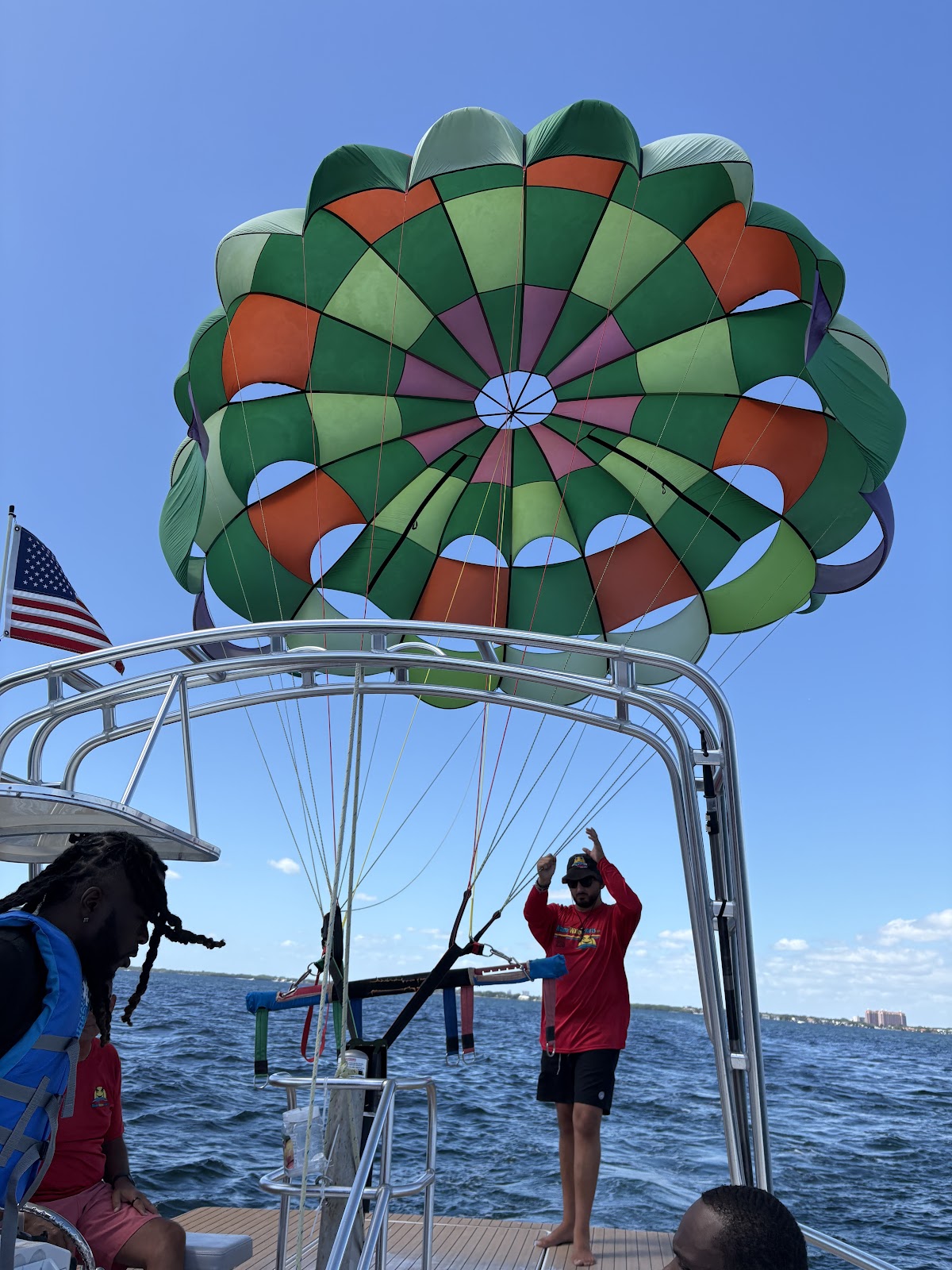
Parasailing is the opposite kind of thrill — and that contrast is exactly why the two work so well together. Once you're harnessed in and the boat lets out the line, you rise gently and steadily until the marina, the Coconut Grove skyline, and the green shallows of Biscayne Bay spread out beneath you. It's serene, almost weightless, and it gives you the wide-angle view of Miami that you simply can't get from water level. Pairing the two means you leave having both driven the bay and floated above it.
Adrenaline, Then Altitude
A practical reason to book them together is sequencing. Many guests like to ride the jet ski first — it's physical, it gets the heart rate up, and it warms you to being out on the water. Parasailing then becomes the calm, cinematic wind-down: you sit back, take in the view, and let someone else do the work. Others prefer the reverse, using the parasail flight to scout the bay from above before heading out on the water themselves. Either order works, and the staff at the marina can help you arrange the timing on the day.
What the Jet Ski Portion Is Really Like
The jet ski experience at Miami Watersports is a 60-minute guided free-ride, not a fixed loop on a short leash. A guide leads the group out from the marina and across designated areas of Biscayne Bay, setting a pace that works for the riders in the group and pointing out where the water opens up.
You can choose a Single, which is a 1-seater rated for a maximum rider weight of 250 lb, or a Double, a 2-seater rated for a maximum combined weight of 400 lb. The Double is popular with couples, a parent and an older child, or two friends who want to split driving duties. The Single is the pick for anyone who wants the machine to themselves.
Age, Weight, and Swimming Requirements
The rules here are about safety, and they are firm:
- The driver must be at least 18 years old, and you must be 18 or older to rent solo.
- Passengers must be at least 6 years old.
- For the Single, the maximum rider weight is 250 lb; for the Double, the maximum combined weight is 400 lb.
- Swimming ability is required. Jet skiing puts you out on open water, and being a confident swimmer is a non-negotiable part of riding safely.
A refundable security hold applies at check-in, which is standard for personal watercraft rentals and is released after the ride provided the equipment comes back in good shape. You can see the full details and the live price on the jet ski activity page.
Personal Watercraft Safety on the Bay
Personal watercraft are powerful, and Florida regulates how they're operated. The U.S. Coast Guard treats PWCs as boats, which means life jackets and safe-operation rules apply on the water; you can review the federal guidance at the U.S. Coast Guard's boating safety site. Florida's own rules for vessel operation, including age and education requirements, are maintained by the Florida Fish and Wildlife Conservation Commission and the Florida Department of Highway Safety and Motor Vehicles boating center. Your guide handles the navigation and keeps the group inside areas that are appropriate for riders, but it helps to arrive understanding that a jet ski is a boat, not a toy, and that the wildlife and other vessels on Biscayne Bay deserve a wide, slow berth.
What the Parasailing Portion Is Really Like
Parasailing is the gentlest big-thrill on the menu. You're seated in a harness attached to a parachute-style canopy that's towed behind a purpose-built boat. As the boat moves forward and pays out the towline, you lift smoothly off the deck and climb — no running start, no jumping, just a steady, controlled rise.
From up there, the view is the whole point. On a clear Miami day you can take in the masts and docks of Dinner Key Marina, the tree-lined edge of Coconut Grove, the downtown skyline to the north, and the shifting turquoise-to-deep-blue gradient of Biscayne Bay below. Because the bay is shallow and protected in this area, the water reads as vivid color rather than the flat gray-blue of the open ocean.
Who Can Parasail
Parasailing is far more accessible than jet skiing when it comes to requirements:
- No swimming ability is required — you stay attached to the boat the entire time.
- You can choose to stay completely dry or ask for a quick dip, where the crew lowers you to skim or touch the water before reeling you back up.
- It works for a wide range of guests, from kids flying alongside a parent to grandparents who want the view without the physical demand of driving a watercraft.
Because it's calm and shared, parasailing is often the part of the combo that the whole group agrees on. It's the photo everyone wants and the moment that ends up framed at home.
Why Biscayne Bay Beats the Open-Ocean Side
Here's the local knowledge that makes a real difference: where you launch matters as much as what you do.
Many Miami operators run out of the South Beach side, straight into the open Atlantic. That water is beautiful, but it's exposed — bigger swells, more chop, more boat traffic, and conditions that can turn a relaxed outing into a teeth-rattling one, especially for first-timers and kids.
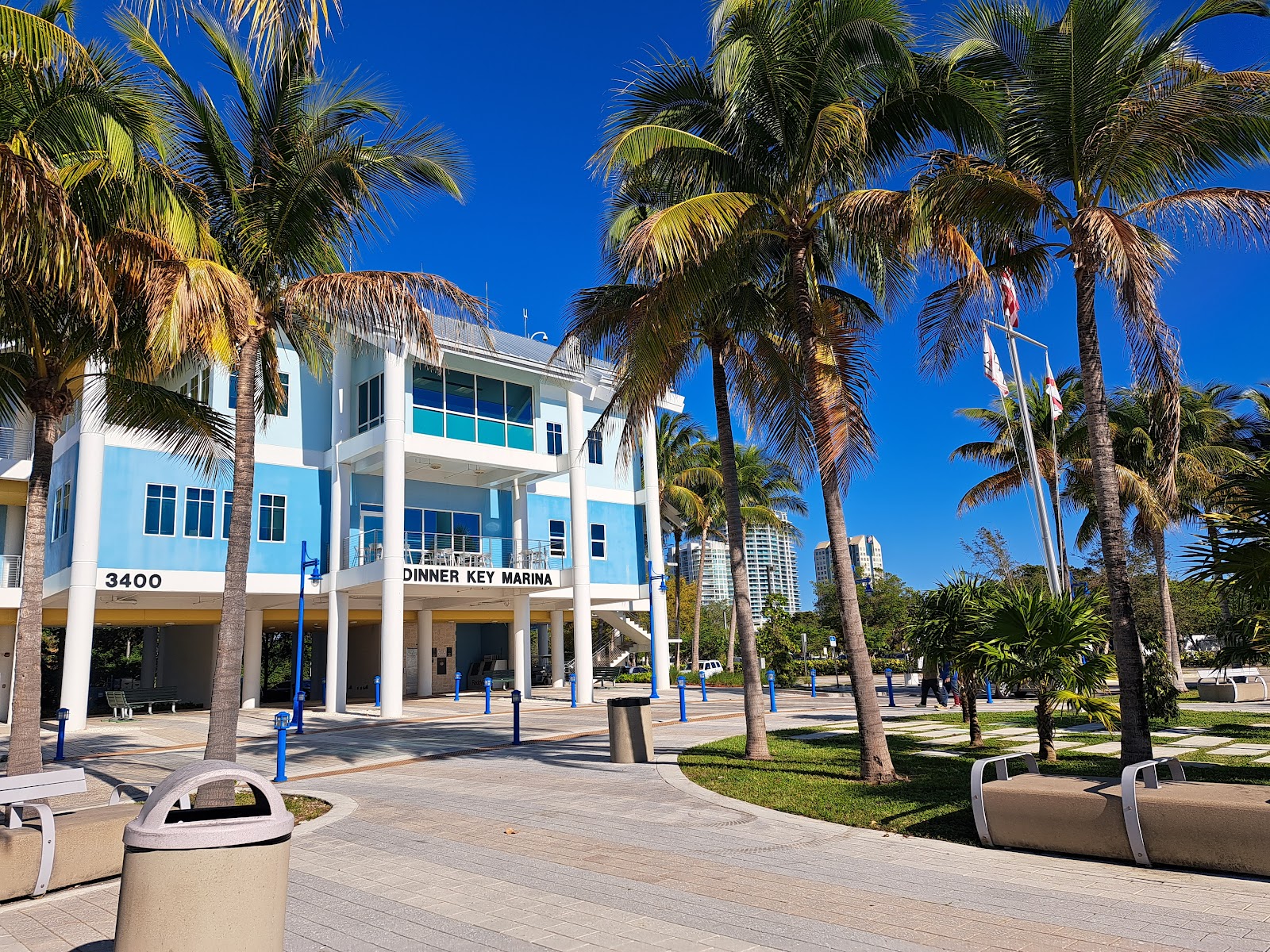
Pier 9 at Dinner Key Marina sits inside Biscayne Bay, which is largely protected by the geography of the coastline and the barrier islands beyond. The result is generally calmer, flatter water that's friendlier for learning to ride a jet ski and steadier for the parasail boat. You get the same Miami sun, the same warm water, and arguably better scenery — the Coconut Grove waterfront, the marina, and the bay's shallow flats — without fighting the open-ocean conditions that wear people out on the South Beach side.
Coconut Grove as a Home Base
Coconut Grove is one of Miami's oldest and leafiest neighborhoods, and it makes for an easy base around your outing. Dinner Key Marina has been the area's sailing and boating hub for generations, and the Grove's walkable cluster of cafes, restaurants, and shade trees is a short distance from the dock. That means you can build a half-day around the combo: ride and fly in the morning when the bay is typically calmest, then grab lunch in the Grove without a long drive. The protected setting is also why the bay is a popular stretch of water for paddlers, sailors, and families — it's the part of Miami that rewards slowing down.
The broader bay ecosystem is significant, too. Much of southern Biscayne Bay falls within a protected national park; you can learn about the area's seagrass flats, mangroves, and marine life at Biscayne National Park's National Park Service page. Riders and parasailers alike should treat the shallows, seagrass, and any wildlife with care — give manatees and other animals plenty of space, and let your guide steer you clear of sensitive areas.
Best Time of Year and Time of Day
Miami is a year-round destination for the jet ski and parasailing combo because the water stays warm and the sun shows up in every season. That said, a few patterns are worth planning around.
Mornings are often the sweet spot. The bay tends to be calmest early, before the afternoon sea breeze builds and before summer's daily thunderstorms develop. An earlier start usually means flatter water for jet skiing and a steadier ride for parasailing.
Summer (roughly late spring through early fall) brings warm water, long days, and reliably tropical conditions — but also Miami's classic afternoon storms, which can roll in fast. Booking earlier in the day reduces the chance of a weather pause.
Winter and the shoulder seasons bring lower humidity, beautiful clear light for photos, and generally lighter rain, though the occasional cold front can bring wind. Water temperatures stay mild compared with almost anywhere else in the country.
Whatever the season, conditions are checked against live forecasts. The National Weather Service's Miami office is the authoritative source for marine and storm forecasts in this area, and it's the kind of resource the team watches when deciding whether to run. For a refresher on reading weather before any time on the water, the BoatUS Foundation's expert advice library is a solid, plain-English starting point.
How Weather Affects Your Booking
The rules are simple and rider-friendly:
- Lightning means no operations, period. Both jet skiing and parasailing stop when there's lightning in the area — there's no judgment call to debate.
- Light rain usually still runs. A passing shower on a warm Miami day generally doesn't stop the fun.
- If the marina has to cancel for weather or operational reasons, you receive a marina credit that is valid for 2 years rather than a cash refund. That credit holds its value indefinitely, so a weather day doesn't cost you the experience — it just moves it to a better day.
How to Plan Your Combo Day
A little preparation makes the day smoother for everyone.
What to bring and wear: Come in swimwear with a cover-up, bring a towel and a change of clothes, and wear reef-safe sunscreen — the sun reflects hard off the bay. A hat and sunglasses with a strap are smart for the parasail boat, and water shoes or sandals you can get wet are ideal. Secure anything you don't want to lose; phones and loose items don't mix well with a jet ski.
Arrive a little early. Check-in includes a safety briefing, fitting, and paperwork. Building in a buffer means you start your ride relaxed rather than rushed.
Group size and roles: Think through who's driving and who's riding. A Double jet ski lets two people share, and not everyone in your group has to do everything — some can fly, some can ride, and the parasail boat is a comfortable place for spectators who want the view without the controls. Larger groups should book ahead so the schedule can be arranged.
Build the rest of the day around it. Because you're launching from Coconut Grove, you can easily fold in lunch nearby or pair the combo with another activity from the same marina. If you've got a bigger crew or want to extend the day on the water, the speed boat tour is a natural add-on, and families sometimes round things out with the lower-key banana boat ride.
Member Rate vs Non-Member Rate
Pricing for the jet ski and parasailing Miami combo works the way good hotels handle room rates: there's a Member rate and a Non-Member rate, and the difference is structured rather than a one-off discount.
- Non-Members pay a single all-in rate — the published price is what you pay, with nothing extra to calculate at the marina.
- Members get the lower member rate on the activity itself, and then add a fuel charge plus tax and a marina fee at check-in. That structure keeps the headline member rate low while the small at-the-dock additions cover fuel and marina costs.
Pricing is per rider for the jet ski, so each person's ride is priced individually. Because rates can change with season and demand, the current, live price for each activity is always shown on its own booking page rather than quoted in an article — check the jet ski activity page for today's exact figures. Whichever rate applies to you, the experience on the water is identical.
Frequently Overlooked Details That Make the Day Better
A few small things separate a good outing from a great one.
First, manage expectations on the jet ski free-ride. It's guided, which is a feature, not a limitation — the guide knows where the water is good, keeps the group together, and makes sure newer riders feel comfortable before anyone opens up. You're not stuck circling a buoy; you're touring the bay with someone who knows it.
Second, decide on the dip before you fly. If you want the quick splash at the bottom of your parasail, say so before launch. It's an easy ask and it's a memorable add to the flight — but if you'd rather keep your hair and your phone-camera dry, you can stay up the whole time.
Third, respect the security hold. The refundable hold on the jet ski isn't a fee; it's a deposit that comes back when the equipment is returned in good condition. Treat the machine well, follow your guide's instructions, and it's a non-event.
Finally, the bay is shared. Sailboats, paddleboarders, kayakers, anglers, and protected wildlife all use these waters. Part of what makes Biscayne Bay such a good place to ride is that everyone keeps it that way — slow down near other vessels, give wildlife a wide berth, and leave the water as beautiful as you found it.
Book the Ultimate Miami Combo
The jet ski and parasailing Miami combo is, simply, the most complete half-day Miami's water has to offer: the speed and control of a 60-minute guided jet ski free-ride, plus the calm, sky-high perspective of a parasail flight — both launched from the protected, beginner-friendly waters of Biscayne Bay at Pier 9, Dinner Key Marina in Coconut Grove. It's the kind of outing that works for first-timers, families, couples, and groups, and it sends you home with both the adrenaline story and the view-from-above photo.
Pick your jet ski setup, decide whether you're flying dry or taking the dip, and lock in a morning slot when the bay is at its calmest. Start with the jet ski activity page to see today's live Member and Non-Member rates and reserve your spot — then come ride and fly the best water in Miami. For questions or to arrange a larger group, call Miami Watersports at (786) 713-8006.
Book your Miami jet ski adventure
Member rates apply on every booking. Tax & marina fee added at check-in.
Frequently Asked Questions
About Miami Watersports
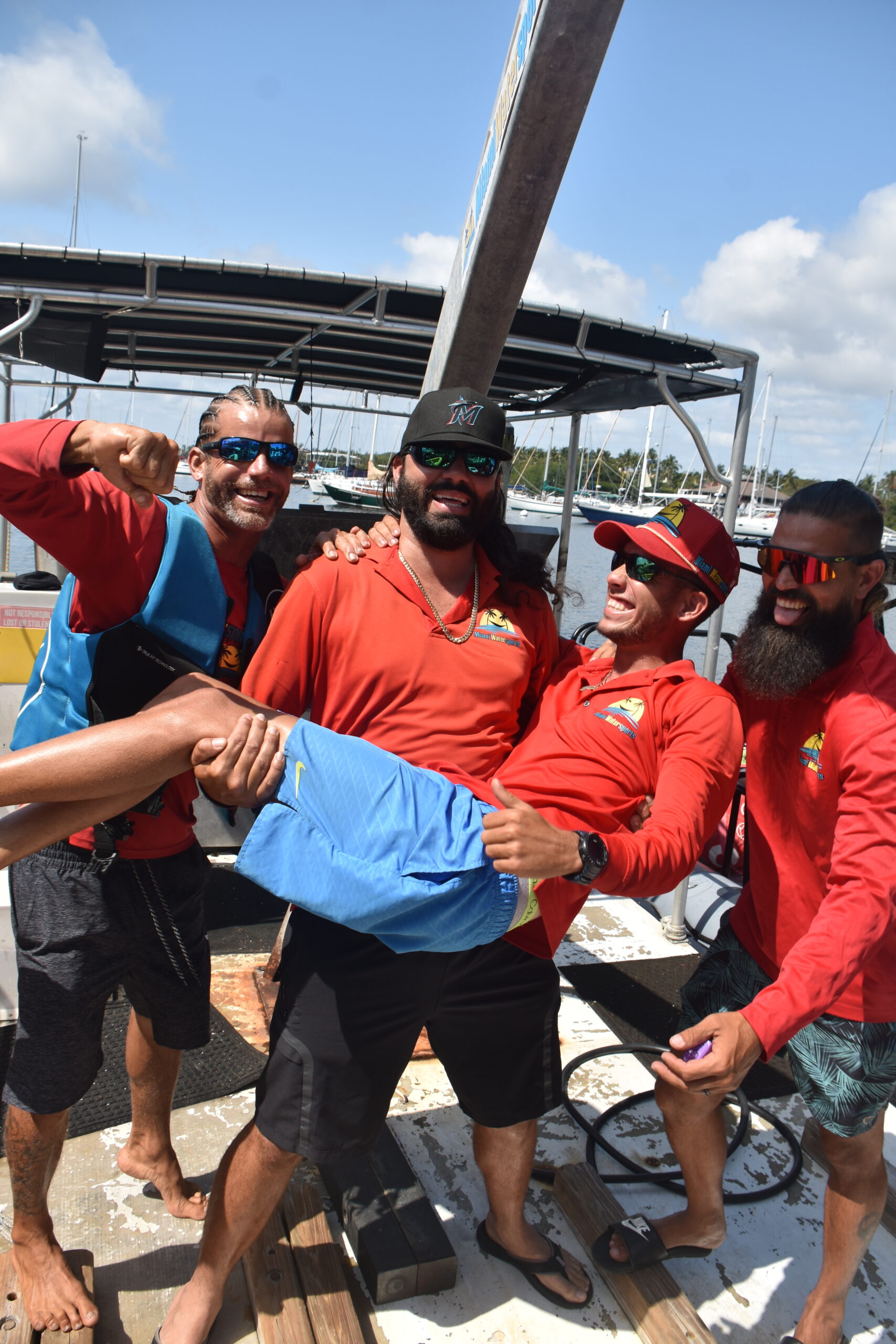
The Miami Watersports crew has run parasailing, jet ski, flyboard, and boat trips from Pier 9 at Dinner Key Marina in Coconut Grove since 2007.