
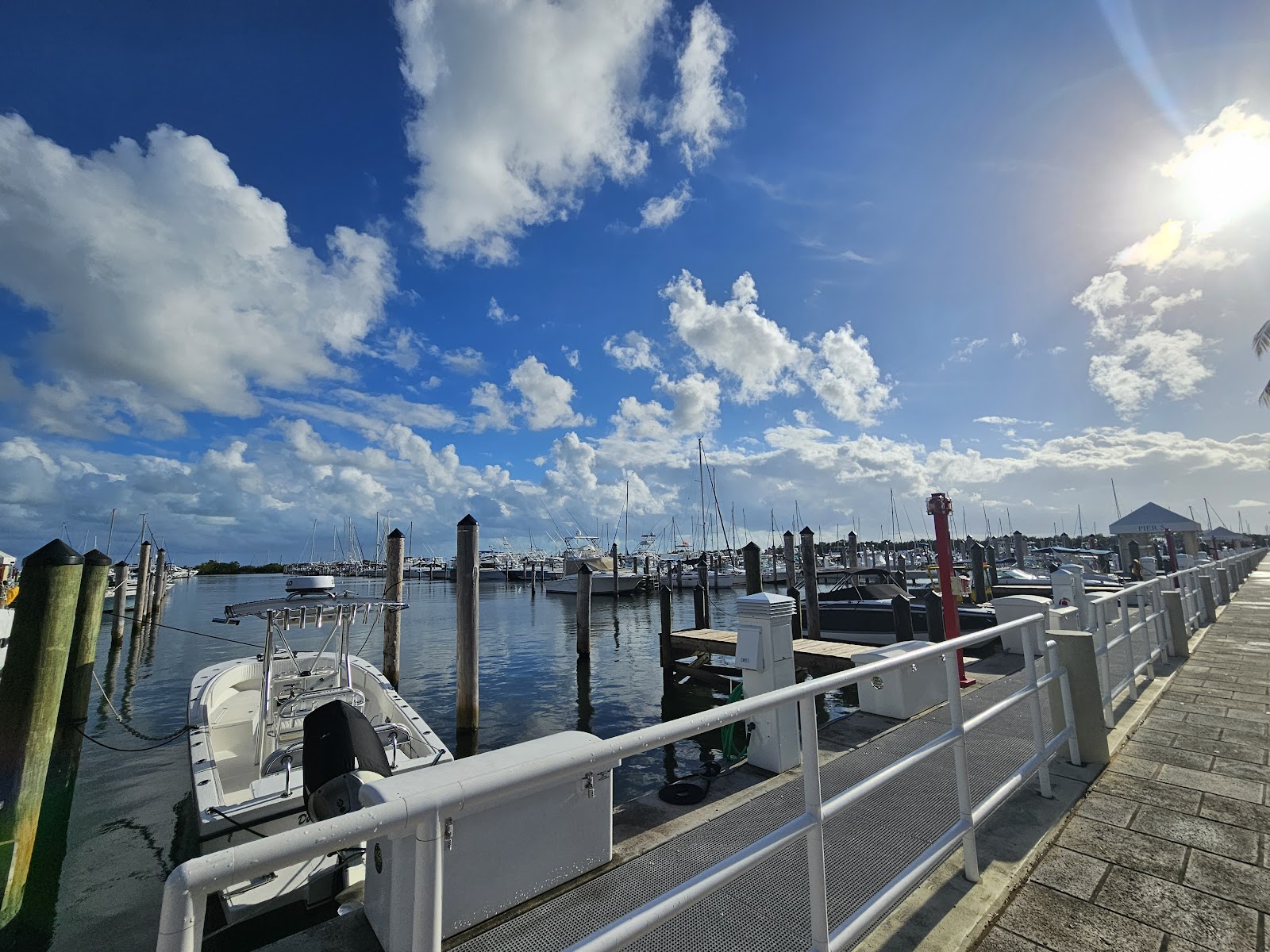
If you're looking for the definitive jet ski rentals in Miami guide, here's the short answer: the best experience is a guided 60-minute free-ride on the calm, protected waters of Biscayne Bay, launched from Pier 9 at Dinner Key Marina in Coconut Grove. You choose a single (1-seater) or double (2-seater) machine, the driver must be 18 or older, every rider must be able to swim, and weather or operational cancellations are protected by a marina credit that is valid for 2 years. This guide walks you through everything that actually matters before you ride: the launch point, the bay versus the open ocean, who can drive, what to bring, the best seasons and conditions, safety, pricing structure, and how to book.
Miami is one of the great jet ski cities in the world, but where you ride changes the day completely. The version most visitors picture — fighting boat wakes and ocean chop off South Beach — is the harder, choppier way to do it. The smarter local choice is to launch from the bay side at Dinner Key Marina, where the water is flatter, the scenery (the Miami skyline, Key Biscayne, Stiltsville, mangrove shorelines) is better, and a guide leads the way so you don't have to navigate a strange waterway alone.
Key Takeaways
- Jet ski rentals in Miami from Pier 9 at Dinner Key Marina are a guided 60-minute free-ride on Biscayne Bay, not an unguided open-ocean rental — a guide leads each ride.
- You can choose a single 1-seater (max 250 lb rider) or a double 2-seater (max 400 lb combined); pricing is per rider.
- The driver must be at least 18 years old (18+ to rent on your own), a passenger must be at least 6 years old, and every rider must be able to swim.
- Biscayne Bay, on the Coconut Grove side, is calmer and more protected than the crowded open-ocean waters off South Beach, which makes it friendlier for first-timers.
- Florida law requires anyone born on or after January 1, 1988 to carry a Boating Safety Education ID to legally operate a personal watercraft; your guide briefs every rider before launch.
- Weather or operational cancellations are covered by a marina credit that is valid for 2 years — there are no cash refunds, and lightning always stops rides while light rain usually does not.
Where You Launch: Pier 9 at Dinner Key Marina
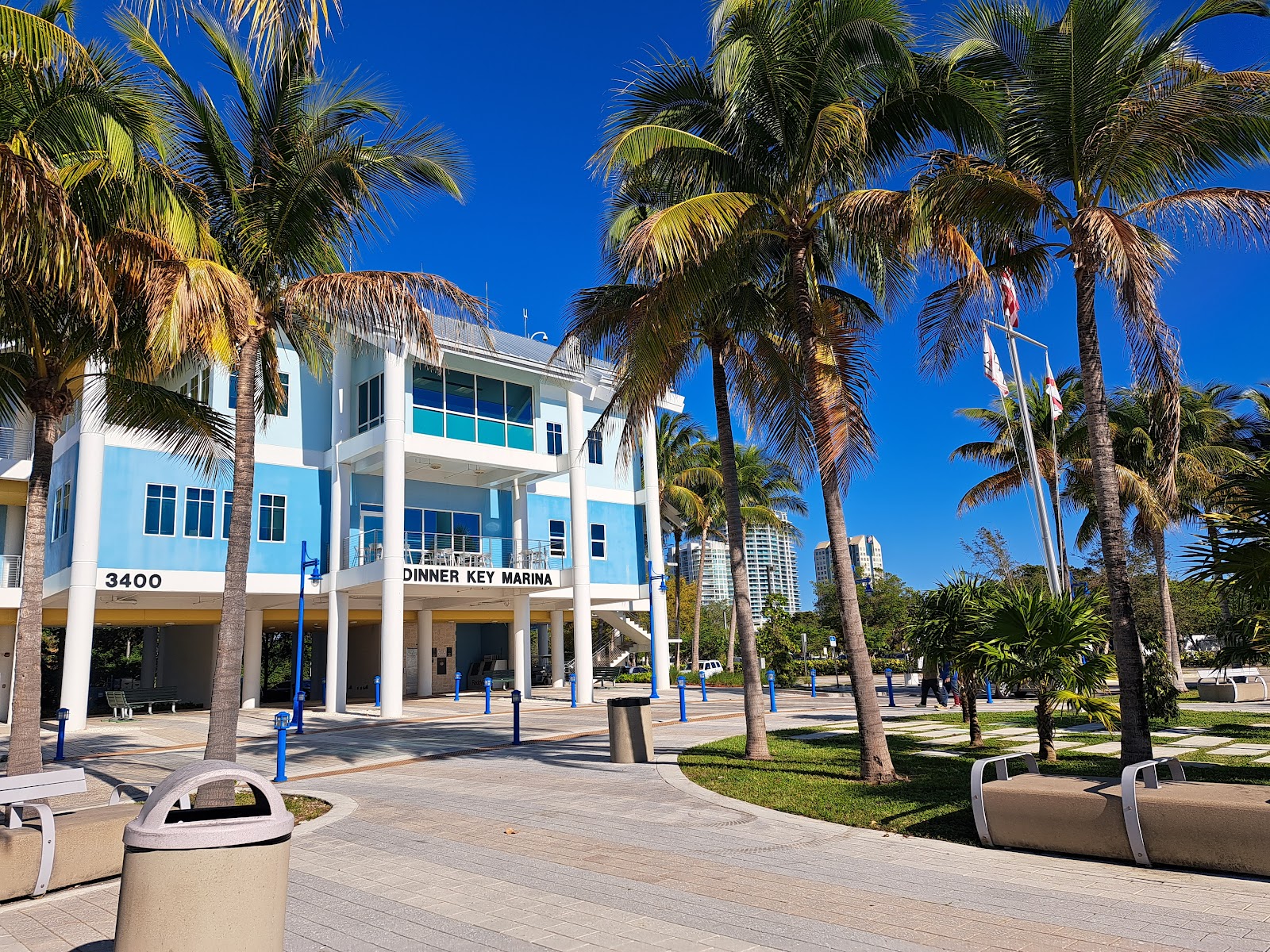
Everything starts at Pier 9, Dinner Key Marina, 3400 Pan American Drive, in Coconut Grove. This is the bay side of Miami — tucked into Biscayne Bay rather than facing the open Atlantic — and that geography is the single biggest reason riders have a better day here.
Dinner Key has been Miami's marina district for nearly a century. It sits in one of the city's most beautiful, leafy neighborhoods, minutes from downtown but a world away from the parking chaos of Miami Beach. When you ride out, the Miami skyline rises to the north, Key Biscayne and the Cape Florida lighthouse sit to the east, and the shallow flats and historic stilt houses of Stiltsville dot the horizon to the southeast inside Biscayne National Park. It is, simply, the most scenic launch in the city.
Biscayne Bay vs. the Open Ocean
This is the part most first-time renters don't know to ask about. Jet ski operators on the Miami Beach / South Beach side launch directly into open or semi-open ocean water, which is busier with boat traffic and choppier on most days. The bay is different. Biscayne Bay is partially sheltered by Key Biscayne and the barrier islands, so on a typical day the water is flatter and more forgiving. For a first-timer, a nervous rider, or anyone bringing a younger passenger, that calmer water turns the experience from "hold on for dear life" into "look at that skyline." It also means a smoother, drier, more confidence-building first few minutes — which is exactly when new riders decide whether they love it.
You still feel the speed and the freedom; calmer doesn't mean slow. It means you spend your hour enjoying the ride instead of bracing against ocean swells.
How the Ride Works: Guided 60-Minute Free-Ride
A Miami Watersports jet ski rental is a guided 60-minute free-ride. That phrasing matters, so here's what each part means.
Guided. You are not handed keys and pointed at the horizon. A guide leads the group out onto the bay, sets a safe route, keeps the group together, and handles the navigation. You ride your own machine and control your own throttle, but you're following a leader who knows the water, the channels, the no-wake zones, and the conditions that day. For visitors who don't know Biscayne Bay, this removes essentially all of the stress.
60 minutes. Your ride time on the water is a full hour. Plan to arrive early for check-in, the safety briefing, and getting fitted with a life jacket — the clock that matters is the 60 minutes on the bay, and that's a genuinely generous amount of time to open it up, take in the skyline, and get comfortable.
Free-ride. Within the guided route and the safe areas, you're riding freely — turning, accelerating, feeling the machine — not crawling in a single-file line the entire time. It's an active, exhilarating experience, not a slow tour.
Single vs. Double: Which to Choose
- Single (1-seater): Built for one rider, with a maximum rider weight of 250 lb. This is the choice if you want your own machine and full control of your own ride.
- Double (2-seater): Built for two, with a maximum combined weight of 400 lb. One person drives and the other rides behind. This is popular for couples, a parent with an older child who's at least 5, or a confident rider bringing along someone who'd rather not drive.
Because pricing is per rider, the decision is mostly about how you want to ride, not about squeezing two people onto one machine to save money. Two friends who both want to drive should each take a machine; a pair happy to share the experience can take a double. You'll see live, current pricing on the jet ski activity page.
Who Can Ride: Age, Weight, and Swimming Rules
These are firm requirements, set for safety and for compliance with Florida law.
- Driver age: You must be at least 18 years old to operate the jet ski. To rent on your own (book and ride without an accompanying adult on the reservation), you must be 18 or older.
- Passenger age: A passenger on a double must be at least 6 years old.
- Weight limits: Single 1-seater up to 250 lb; double 2-seater up to 400 lb combined. These are real machine limits, not suggestions — they affect how the watercraft handles and plenty.
- Swimming: Every rider must be able to swim. You'll wear a Coast Guard-compliant life jacket the entire time, but swimming ability is required because you're on open water.
Florida's Boater Education Requirement
This trips up a lot of visitors, so it's worth understanding up front. Under Florida law, anyone born on or after January 1, 1988 must complete an approved boating safety course and carry a Boating Safety Education ID Card to legally operate a personal watercraft. You can read the official rules at the Florida FWC boating page and the Florida FLHSMV boating safety center. Because every ride is guided and includes a pre-launch safety briefing covering operation, hand signals, and the rules of the bay, you'll get the orientation you need before you go out — but if you're in that age bracket and planning to ride elsewhere in Florida unguided, having your education card sorted in advance is smart.
Best Time to Ride: Seasons, Weather, and Conditions
Miami is a year-round watersports town — that's the upside of South Florida. But the experience does shift with the seasons, and a little planning makes a real difference.
The Seasons on Biscayne Bay
Winter and early spring (roughly December through April) are Miami's dry season. Days are warm and sunny, humidity is lower, and the bay is often at its calmest and clearest. This is prime jet ski weather and also the busiest tourist window, so morning rides book up.
Late spring and summer (May through October) bring heat, higher humidity, and Miami's famous afternoon thunderstorms. These storms tend to build in the afternoon and pass quickly. The move in summer is to ride in the morning, before the heat peaks and before the typical afternoon storm pattern develops. Water temperatures are warm and inviting all summer.
Hurricane season officially runs June through November. Day-to-day this rarely affects a planned ride, but it's the reason to keep an eye on the forecast and to understand the cancellation policy below.
Reading the Forecast
Before any ride, it's worth a glance at the National Weather Service Miami office for the marine forecast, wind, and any thunderstorm or small-craft advisories. Wind is the variable most people underestimate: a sunny day with strong wind can mean a choppier bay, while an overcast, calm-wind morning can be glassy and ideal. For general boating-weather judgment and safety education, the BoatUS Foundation and the U.S. Coast Guard's boating safety resources are excellent references.
Time of Day
Mornings are usually the best window on Biscayne Bay: lighter wind, flatter water, softer light on the skyline, and cooler temperatures. Late afternoon can be beautiful too, with golden light over the bay, but in summer that's also when storms are most likely. If you have flexibility, book a morning slot.
Safety, Conditions, and the Weather Policy
Safety is the foundation of every ride, and Miami Watersports has been running on Biscayne Bay since 2007. Here's what that looks like in practice.
Before you launch: every rider gets a safety briefing and is fitted with a properly sized, Coast Guard-compliant life jacket that's worn for the entire ride. The briefing covers how to operate the machine, how to start and stop, hand signals, the speed and no-wake zones, and how to stay with the group.
On the water: your guide manages the route and the pace and adjusts to conditions in real time. Biscayne Bay has marked channels, manatee zones, and no-wake areas, and the guide keeps the group inside the safe, legal route.
Lightning and rain: the rule is simple and non-negotiable — lightning never runs. If there's lightning in the area, rides stop, full stop. Light rain, on the other hand, usually does run; a passing shower on a warm Miami day is part of the experience and doesn't ground the ride. The call is always made on the side of safety.
The Cancellation and Credit Policy
If a ride is cancelled for weather or for operational reasons, you receive a marina credit that is valid for 2 years. You can use it whenever you come back. There are no cash refunds for weather or operational cancellations — instead, you keep full value in a credit that doesn't have an expiration date, so a stormy day never means losing your booking. This is worth understanding before you book, especially in summer storm season: you're protected, but the protection is a credit rather than a refund.
There's also a refundable security hold associated with the rental, standard for any watercraft, which is released after the ride per the terms shown at checkout.
Wildlife, Scenery, and Protecting Biscayne Bay
Part of what makes riding here special is that Biscayne Bay is a living ecosystem, not just a playground. The bay borders Biscayne National Park, which protects mangrove shoreline, seagrass flats, and the northernmost Florida Keys. On a clear day you'll see the water shift from deep channel blue to bright turquoise over the shallows.
The bay is also critical manatee habitat. That's why there are designated slow-speed and no-wake zones, and why your guide enforces them — both because it's the law and because it keeps these animals safe. You may spot manatees, dolphins, rays, and abundant birdlife. Riding responsibly inside the marked zones is how the bay stays this good. The Florida FWC maintains the waterway and manatee-protection rules for the area.
Treat the wildlife and the seagrass with respect, follow your guide, and you get the best of both worlds: a high-energy ride and a front-row seat to one of the most beautiful bays in the country.
What to Bring and How to Prepare
A little preparation makes the day smoother.
- Swimwear and a change of clothes. You will get wet. Wear your swimsuit and bring a dry set for after.
- Reef-safe sunscreen. The Miami sun is strong and reflects off the water. Reef-safe formulas are better for the bay's ecosystem. Apply before you arrive so it has time to set.
- A secured strap for sunglasses or hats. Anything not strapped down can blow off at speed.
- A waterproof case or pouch if you want to bring a phone for photos. Otherwise, leave valuables in your vehicle or at home.
- A valid government-issued photo ID for the driver, required at check-in.
- Arrive early. Build in time before your 60-minute ride window for parking, check-in, paperwork, the safety briefing, and life-jacket fitting.
Pairing Jet Ski with Other Activities
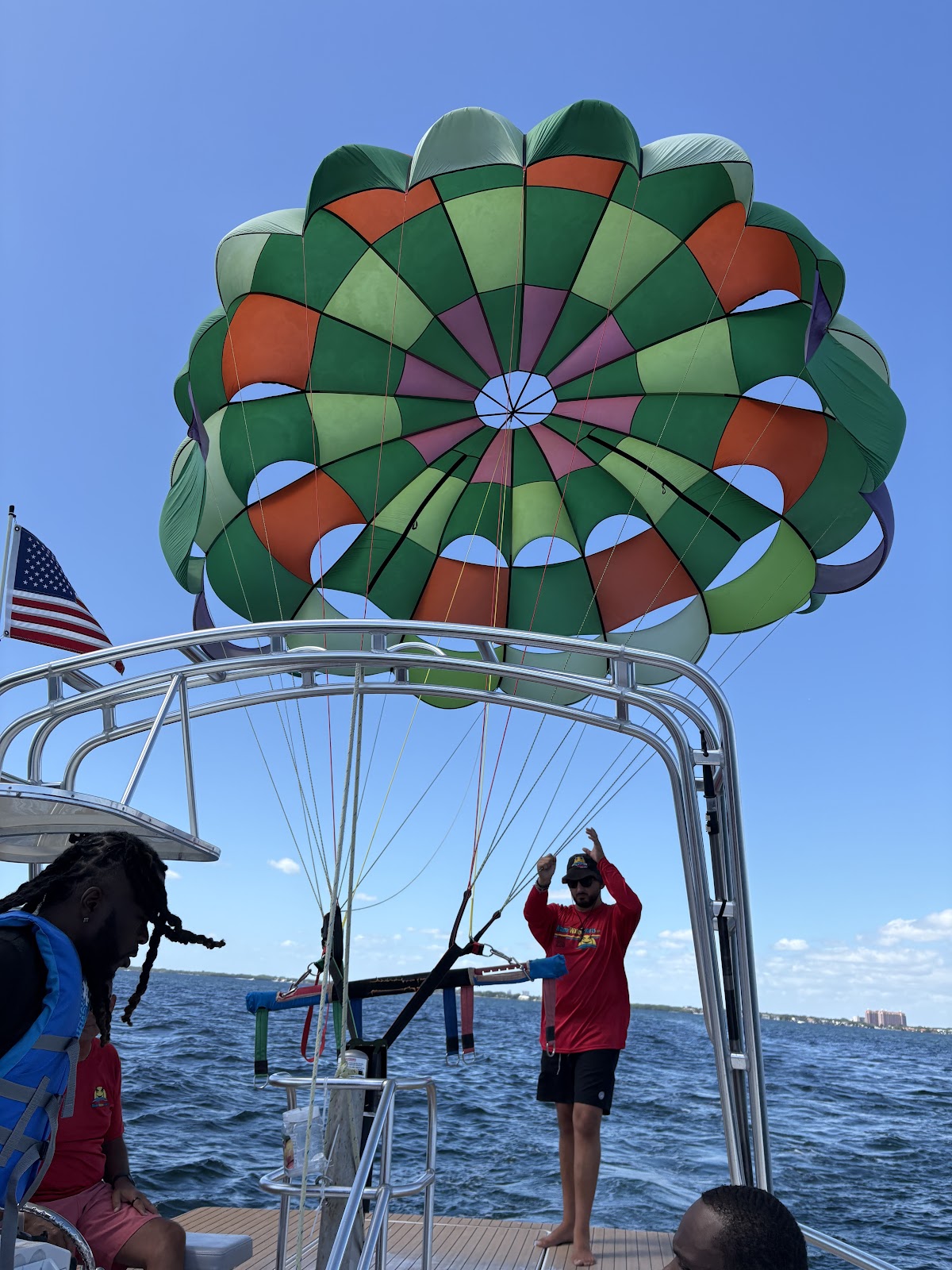
A jet ski ride pairs naturally with the rest of the bay's lineup if you're making a half-day of it. Many riders add a parasailing flight for a calm, high-altitude view of the same skyline they just rode under, or a speed boat ride for a different kind of thrill on the water. Families sometimes pair a jet ski with the more relaxed banana boat. You can see all options and live pricing across the jet ski page and the related activity pages.
Understanding Pricing: Member Rate vs. Non-Member Rate
Miami Watersports prices jet ski rentals the way a hotel prices rooms — there's a member rate and a Non-Member rate, and the current numbers are always shown live on the activity page rather than printed in a blog (so they never go stale).
Here's how the structure works without quoting figures:
- Pricing is per rider. Each person on the water is priced individually, which is why two friends who each want their own machine are simply two riders.
- Non-Member rate is an all-in rate — the price you see covers the ride.
- Member rate reflects current member pricing, and at the marina members add a fuel charge plus tax and a marina fee at check-in. That's the same kind of "resort fee at the desk" structure many travelers already know from hotels.
The honest, practical advice is to check the live numbers right before you book, because that's the only source that's always accurate. You'll find current member and Non-Member pricing on the jet ski activity page.
Frequently Misunderstood Details, Cleared Up
A few quick clarifications that come up constantly when people compare jet ski rentals in Miami:
- "Can I just rent one and ride off alone?" Here, rides are guided — a guide leads you onto Biscayne Bay. That's a feature, not a limitation; it's why first-timers do so well on this side of the city.
- "Is the bay boring compared to the ocean?" No. Calmer water means you actually enjoy the speed and the skyline instead of fighting chop and wakes. You still ride freely for a full hour.
- "What happens if a storm rolls in?" Lightning stops rides; you get a marina credit that is valid for 2 years. Light rain usually doesn't stop anything.
- "Do both people on a double pay?" Pricing is per rider, so yes — every person on the water is a rider.
- "How old does my kid have to be?" A passenger must be at least 6; a driver must be at least 18.
Conclusion: Book Your Biscayne Bay Ride
To wrap up this jet ski rentals in Miami guide: the best ride in the city is a guided 60-minute free-ride on calm, scenic Biscayne Bay, launched from Pier 9 at Dinner Key Marina in Coconut Grove — not a white-knuckle solo run through open-ocean chop off South Beach. You pick a single or a double, the driver is 18 or older, every rider can swim, you're protected by a never-expiring marina credit if the weather turns, and a guide handles the navigation so you can focus on the skyline and the throttle.
Miami Watersports has run on this bay since 2007, and the formula is simple: calmer water, better views, a real safety briefing, and a full hour on the water. Check the live member and Non-Member pricing and lock in your slot — mornings are the calmest — on the jet ski activity page. The bay's waiting.
Book your Miami jet ski adventure
Member rates apply on every booking. Tax & marina fee added at check-in.
Frequently Asked Questions
About Miami Watersports
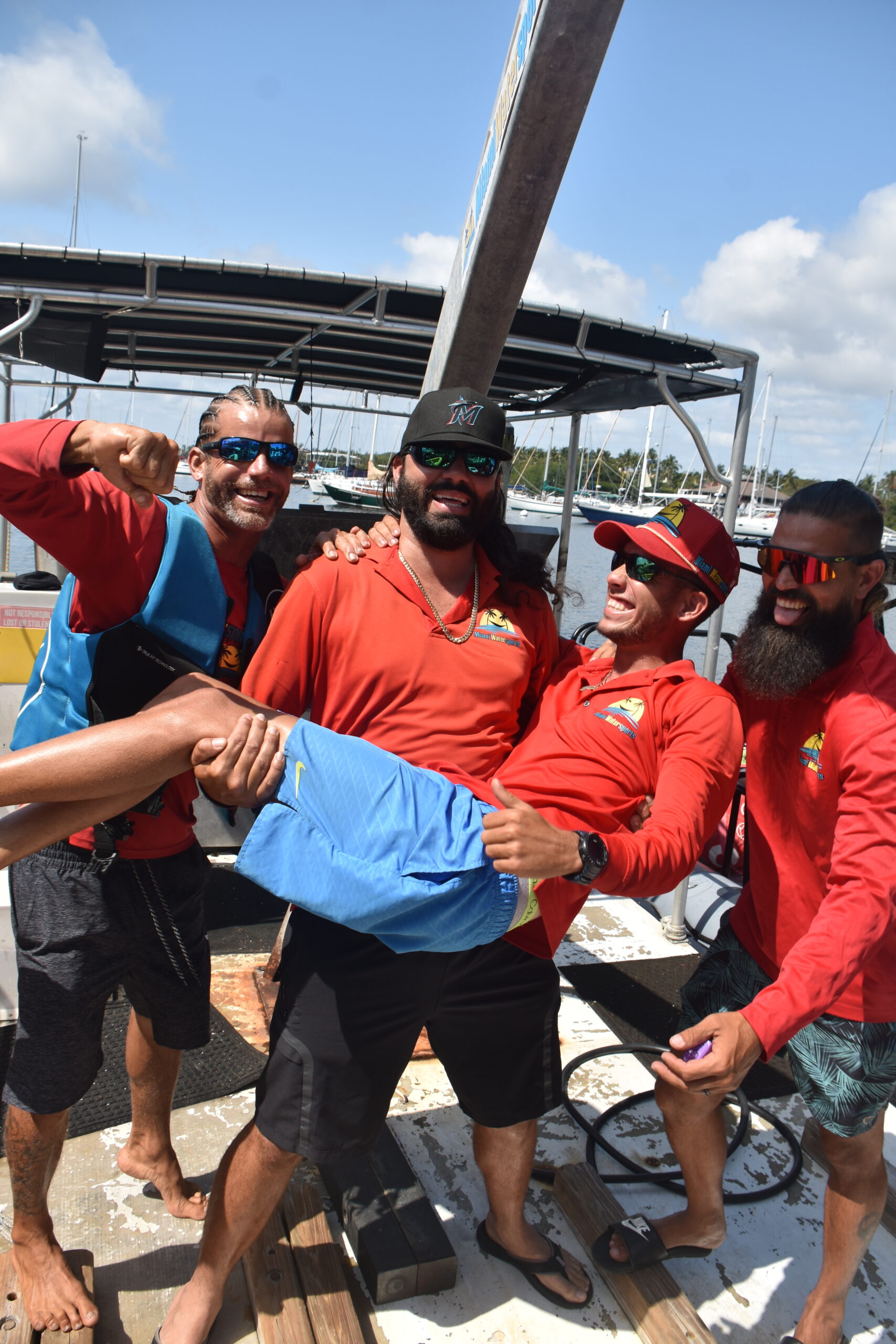
The Miami Watersports crew has run parasailing, jet ski, flyboard, and boat trips from Pier 9 at Dinner Key Marina in Coconut Grove since 2007.