
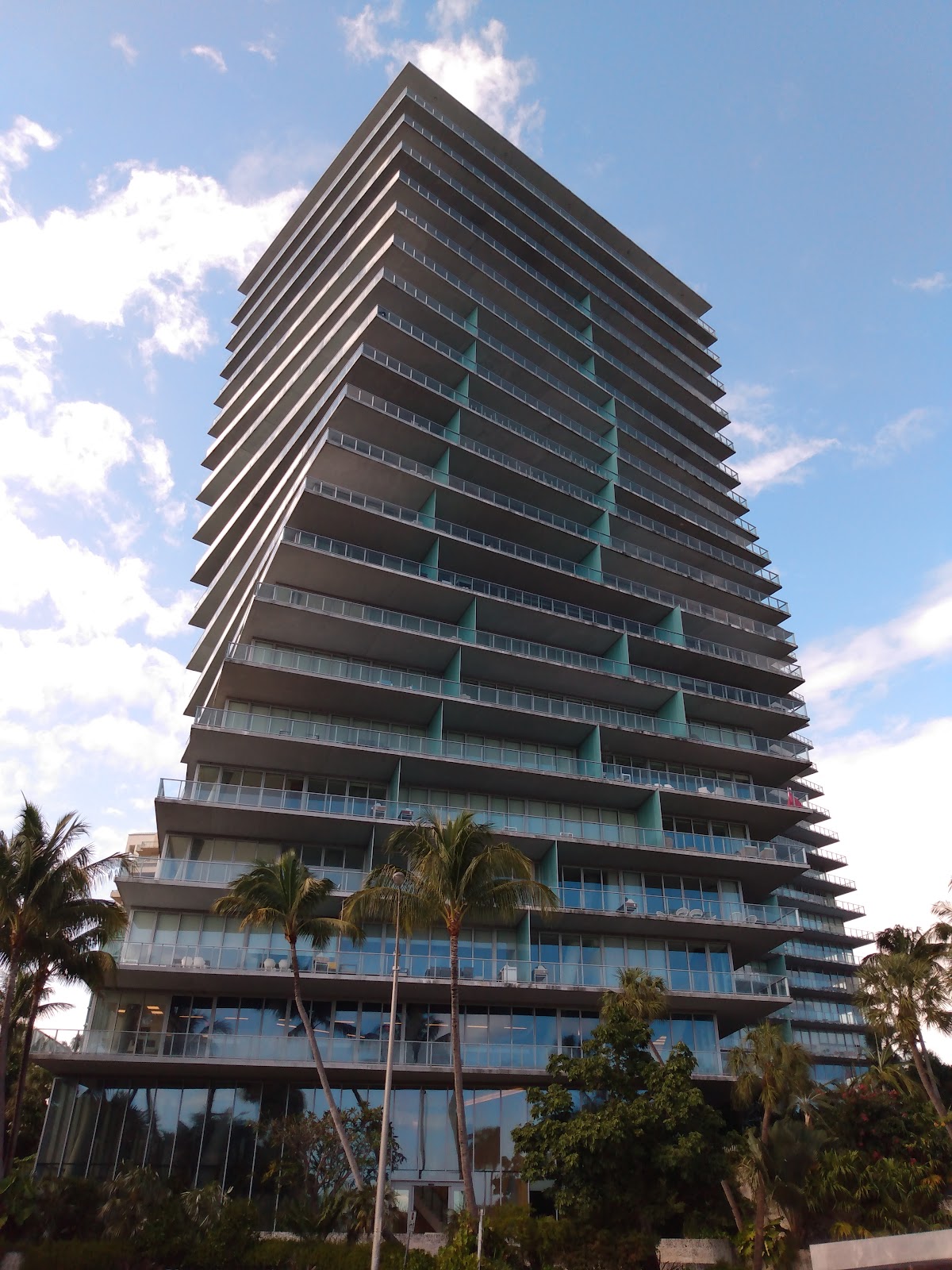
If you're riding a personal watercraft on Biscayne Bay, the short answer is this: the essential jet ski safety gear in Miami is a properly fitted U.S. Coast Guard–approved life jacket, the engine kill cord (lanyard) clipped to your wrist or vest, polarized eye protection, marine-grade sun protection, and water — plus the local know-how to read Miami's afternoon weather. Get those five things right before you leave the dock and the rest of your ride is just fun. This guide walks through the full jet ski safety gear checklist for Miami riders, written from our launch point at Pier 9 on Dinner Key Marina in Coconut Grove, where we've been putting people on the water since 2007.
Key Takeaways
- The single most important piece of jet ski safety gear is a U.S. Coast Guard–approved life jacket that fits snugly; on a guided ride at Miami Watersports it's provided, worn at all times, and checked before launch.
- The engine cut-off lanyard (kill cord) must be attached to the rider so the watercraft stops if you're thrown off — never ride without it clipped on.
- Riders must be able to swim, drivers must be 18 or older (18+ to rent solo), and passengers must be 6 or older; weight limits are 250 lb on a single and 400 lb combined on a double.
- Biscayne Bay launched from Dinner Key Marina is sheltered and generally calmer than the open Atlantic off South Beach, which makes it a more forgiving environment for first-time and family riders.
- Miami's biggest on-water hazard is fast-building afternoon thunderstorms; lightning shuts down rides entirely, while light rain usually does not.
- Weather or operational cancellations at Miami Watersports convert to a marina credit that is valid for 2 years — there are no cash refunds, so a storm day is never a wasted day.
Why Safety Gear Matters More on Biscayne Bay Than You'd Think
Biscayne Bay looks like a swimming pool on a calm morning, and that postcard flatness fools people into thinking gear is optional. It isn't. A personal watercraft on Miami's bay still hits real speed, shares the water with boat traffic, sailboats, paddleboarders, and the occasional manatee, and sits under one of the most weather-active skies in the country. The right gear is what turns a thrilling 60-minute guided free-ride into a safe one.
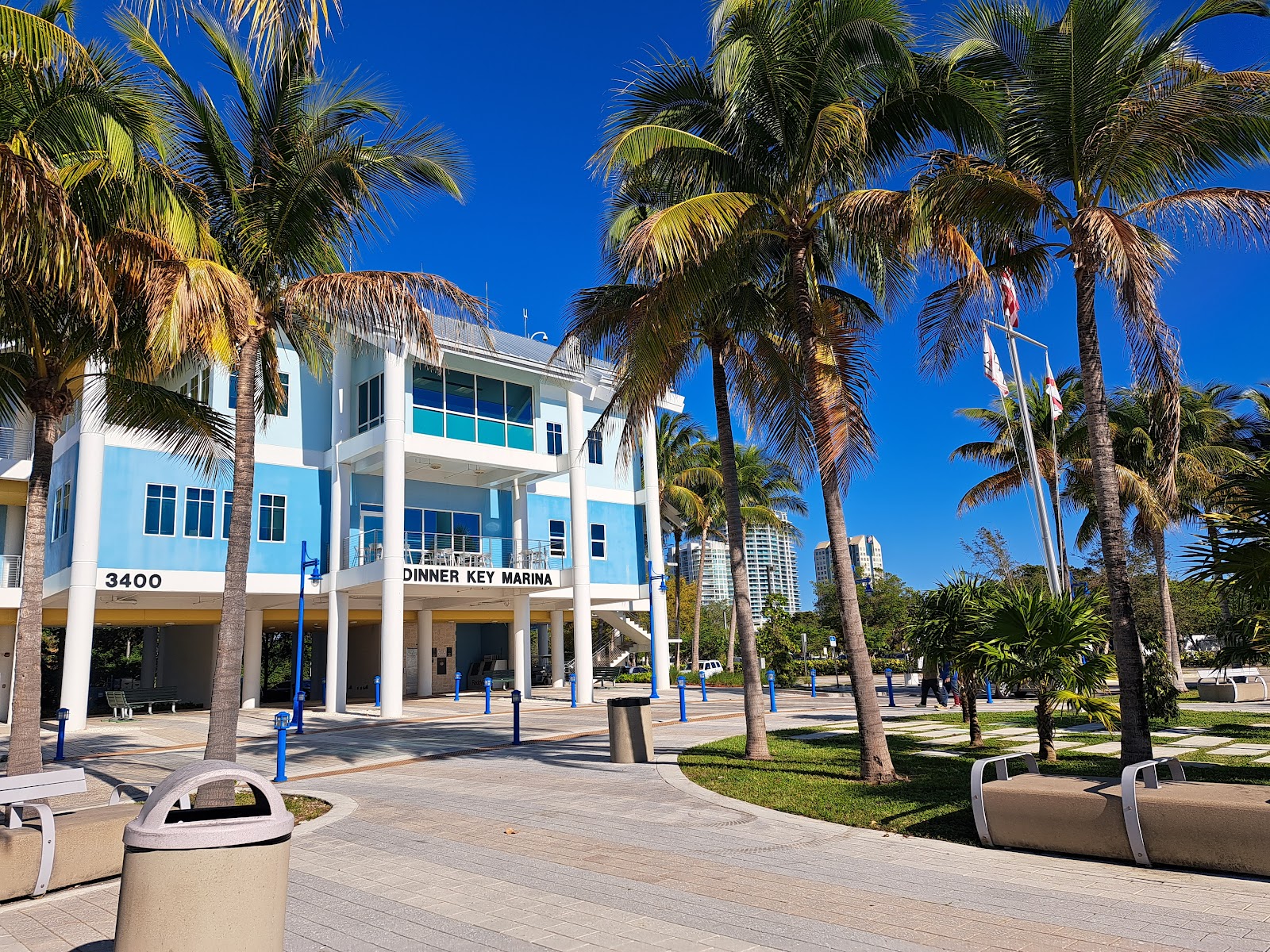
There's also a geographic reason Miami riders should take gear seriously even on a "tame" day. We launch from Pier 9 at Dinner Key Marina, 3400 Pan American Drive, in Coconut Grove. From there you ride the protected inner waters of Biscayne Bay rather than the exposed, chop-heavy open ocean you'd face launching off Miami Beach or South Beach. Calmer water is safer water — but it also lulls riders into skipping the basics. The checklist below exists so you don't.
For the U.S. Coast Guard's full overview of recreational boating safety, gear requirements, and float plans, the authoritative national resource is USCG Boating Safety. Florida-specific rules — including who needs a boater education card and how personal watercraft are regulated in state waters — come from the Florida Fish and Wildlife Conservation Commission (FWC).
The Essential Jet Ski Safety Gear Checklist for Miami
Here's the core list every Miami rider should run through before launch. On a guided ride with us, several of these are provided and verified by your guide — but knowing why each item matters makes you a better, safer rider.
1. U.S. Coast Guard–Approved Life Jacket (PFD)
This is non-negotiable and it's the foundation of jet ski safety gear in Miami. A personal flotation device must be Coast Guard–approved, in good condition, and fitted snugly to your body — not borrowed-too-big, not loosely buckled. On a jet ski you should expect to be in the water at some point, whether you fall off during a turn or hop off to cool down, and a properly sized PFD keeps your head above the surface even if you're tired or disoriented.
On every Miami Watersports jet ski ride, a Coast Guard–approved life jacket is provided and required to be worn the entire time on the water. Your guide checks the fit before you leave the dock. If you're riding with a child (passengers must be 6+), make sure their jacket is child-sized and cinched correctly; an adult vest on a small frame can ride up over the head in the water.
2. Engine Cut-Off Lanyard (Kill Cord)
The kill cord is the most misunderstood and most important mechanical safety device on a personal watercraft. One end clips to the ignition; the other clips to your wrist, your PFD, or your life jacket. If you're thrown from the seat, the cord pulls free and the engine shuts off — so the watercraft doesn't power away from you in a circle or keep running unmanned. Federal law has moved toward requiring engine cut-off device use on many recreational vessels, and on a jet ski it's simply standard practice. Never start a ride without it attached to your body.
3. Polarized Eye Protection
Biscayne Bay throws a lot of glare. Polarized sunglasses with a secure strap (so you don't lose them in the water) cut surface reflection, help you spot floating debris, shallows, and other watercraft, and protect your eyes from spray and wind. On a sun-drenched Miami afternoon, eye protection is a genuine safety item, not just a comfort one — squinting into glare while moving at speed is how riders miss obstacles.
4. Marine-Grade Sun Protection
Miami's UV index is high year-round, and the water doubles your sun exposure by reflecting it back up at you. A water-resistant, broad-spectrum sunscreen applied before launch, a rash guard or quick-dry shirt, and a secured hat for the dock are all part of a complete kit. Reapplication matters on a longer day on the bay. Sunburn isn't just uncomfortable — a badly burned rider gets fatigued and dehydrated faster, which degrades judgment on the water.
5. Hydration
Heat and sun on open water dehydrate you quickly, and dehydration is one of the quietest causes of poor decision-making and fatigue on the bay. Drink water before you ride and bring some for after. On hot Miami days this is as much a safety item as the life jacket.
6. Secure Footwear and Quick-Dry Clothing
Water shoes or secure sandals protect your feet on the dock and in shallow areas, and quick-dry swimwear or a rash guard keeps you comfortable through a full 60-minute ride. Skip anything that can flap loose, blow off, or tangle.
7. A Dry Bag for Valuables (Left on Shore)
Phones, keys, and wallets don't belong on the water. The safest place for your valuables is secured on shore, not in a pocket that floods the first time you fall. A small dry bag for the dock keeps everything together. Don't ride with a phone in hand — it's a distraction and it will not survive the bay.
Weather Gear and Miami's Afternoon Storm Pattern
If there's one piece of Miami-specific knowledge that keeps riders safe, it's understanding the local weather rhythm. South Florida, especially from late spring through early fall, runs on an almost-daily cycle: clear mornings that build into fast, powerful afternoon thunderstorms. These storms form quickly, bring lightning, and pass just as fast.
Our hard rule: lightning never runs. If there's lightning in the area, rides don't launch, period — no gear substitutes for staying off the water during an electrical storm. Light rain is different; a passing shower over a warm bay is usually fine and we'll often ride right through it. The judgment call belongs to your guide and the conditions, not to wishful thinking.
For Miami riders planning their own day, the National Weather Service – Miami office is the authoritative local forecast and marine outlook source. Checking it the morning of your ride — and again before you leave for the marina — is the smartest free safety habit you can build. Morning slots, before the afternoon convection builds, are often the calmest and most reliable window on Biscayne Bay.
Because Miami weather is genuinely unpredictable, we built our policy around it: any weather or operational cancellation converts to a marina credit that is valid for 2 years. There are no cash refunds, but you never lose your spot or your money to a storm — you simply come back when the sky cooperates. That removes the pressure to "push it" in marginal conditions, which is itself a safety feature.
Know the Rules Before You Ride
Safety gear works hand in hand with eligibility rules. Before you book a jet ski ride, make sure your group fits the requirements:
- Swimming required. Every rider must be able to swim. This is a hard requirement on personal watercraft because you should plan on ending up in the water at some point.
- Driver age. Drivers must be at least 18 to operate, and 18 or older to rent solo. Florida also has boater education requirements depending on your age and birth year — check the Florida boater education rules at FLHSMV so you arrive prepared.
- Passenger age. Passengers must be at least 6 years old.
- Weight limits. A single (1-seater) jet ski supports up to 250 lb; a double (2-seater) supports up to 400 lb combined. These limits exist for stability and safe handling — respect them honestly when you book.
- Security hold. A refundable security hold applies, which protects the equipment and is released after a clean ride.
On a guided free-ride, you're not handed a key and pointed at the horizon. You ride with a guide who briefs you, checks your gear, sets the pace, and keeps the group together — which is exactly why first-timers and families do so well launching from the Grove.
Single vs. Double Jet Ski: Gear and Safety Considerations
Choosing between a single and a double isn't just about price or company — it changes a few safety considerations.
On a single (1-seater, up to 250 lb), you ride solo, which means you're solely responsible for the kill cord, throttle, and balance. It's the most direct, responsive way to ride and great for confident, independent riders.
On a double (2-seater, up to 400 lb combined), the driver controls the watercraft and the passenger holds on — so the passenger needs to understand how to brace into turns and keep their weight centered. Communication between the two riders matters, and both still wear full gear. A double is a popular choice for a parent riding with an older child (5+), a couple, or two friends who'd rather share. Whichever you pick, the gear checklist is identical: PFD on, kill cord clipped, eyes protected, hydrated.
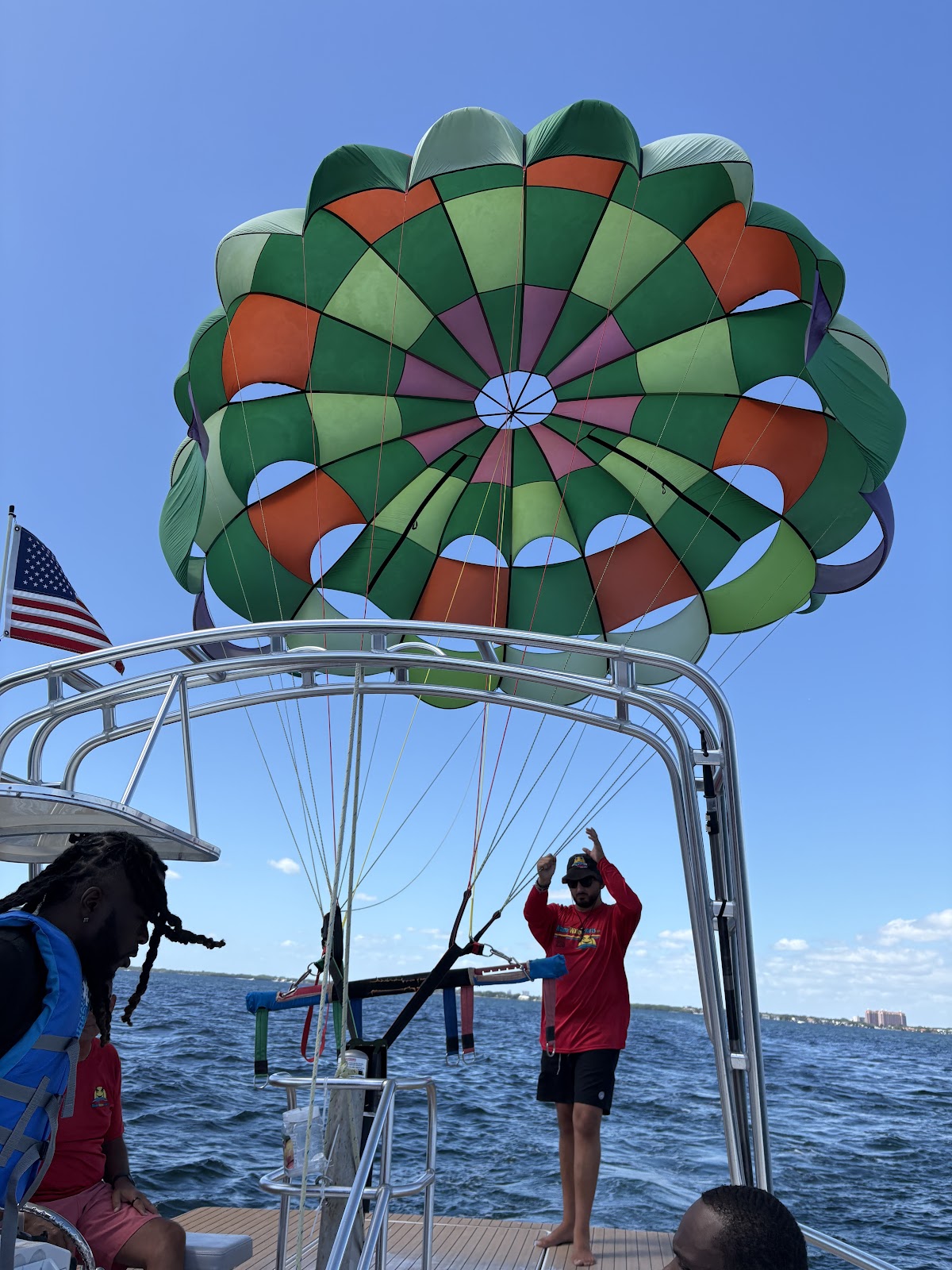
If you're weighing the jet ski against other ways to get on Biscayne Bay, our activity lineup includes options like a parasail flight for a calmer, dryer perspective from above — useful if part of your group would rather watch the water than ride it.
Protecting Yourself, Other Riders, and Biscayne Bay Wildlife
Safety on the bay isn't only about your own gear — it's about how you operate around others and around the marine environment. Biscayne Bay is a living ecosystem bordered by Biscayne National Park, home to seagrass beds, shorebirds, and manatees that surface slowly and are easy to miss at speed.
A few rules of the bay that keep everyone safe:
- Watch your wake and your distance. Keep clear of swimmers, paddleboarders, anchored boats, and the shoreline. A guided ride keeps you in appropriate areas, but stay alert.
- Slow down in shallow and posted zones. Seagrass flats and manatee zones call for low speed. Hitting a shallow at speed is dangerous to you and damaging to the bay.
- Give wildlife room. If you see a manatee or wildlife, ease off and steer clear. It's both the right thing to do and a legal expectation in Florida waters.
- Stay with your guide and your group. The buddy system is real safety infrastructure on the water — someone always knows where you are.
For a deeper grounding in recreational boating safety habits, on-water courses, and gear education, the BoatUS Foundation is an excellent, plain-language resource that pairs well with the official USCG and FWC guidance above.
What Miami Watersports Provides vs. What to Bring
To make your jet ski safety gear checklist concrete, here's how it splits between what we supply and what you should bring yourself.
Provided and verified by your guide:
- U.S. Coast Guard–approved life jacket, fitted before launch
- A functioning jet ski with a properly rigged engine cut-off lanyard
- A pre-ride safety briefing and an on-water guide for the full 60 minutes
Bring yourself:
- Polarized sunglasses with a strap
- Marine-grade, water-resistant sunscreen (applied before launch)
- A rash guard or quick-dry shirt and swimwear
- Water for hydration
- Secure water shoes or sandals
- A dry bag for valuables to leave on shore
- A morning check of the NWS Miami forecast
This division is exactly why a guided ride from Dinner Key Marina is the easiest safe entry point to jet skiing in Miami: the heavy, technical safety equipment is handled for you, and your job is to show up sun-ready, hydrated, and able to swim.
Member Rate vs. Non-Member Rate — How Pricing Works
Pricing for jet ski rides works a little like a hotel. There's a Member rate and a Non-Member rate, and what you pay at check-in depends on which applies to you. Members pay the member rate plus a fuel charge and a tax & marina fee collected at the dock; non-members pay a single all-in rate with nothing extra added at check-in. Pricing is per rider, so each person on the water is priced individually.
We deliberately don't print numbers in articles like this, because rates are served live and change — so the only accurate place to see what your ride costs today is the live jet ski activity page, where current member and non-member pricing is shown in real time. None of this changes the safety picture: every rider, member or not, wears the same Coast Guard–approved gear and rides under the same rules.
Putting It All Together: Your Pre-Launch Routine
Here's the whole jet ski safety gear checklist for Miami riders distilled into the order you'd actually run it on the dock at Pier 9:
- Confirm everyone in your group can swim and meets the age (driver 18+, solo rental 18+, passenger 6+) and weight (250 lb single, 400 lb combined double) requirements.
- Check the NWS Miami forecast that morning — and respect the lightning rule.
- Apply sunscreen before you arrive or before launch.
- Leave phones, keys, and wallets secured on shore in a dry bag.
- Put on and cinch your Coast Guard–approved life jacket; have your guide verify the fit.
- Clip the engine cut-off lanyard to your body and confirm it's seated.
- Put on strapped polarized sunglasses and grab water for after.
- Listen to the full safety briefing — then enjoy your 60 minutes on the calmest, most beautiful stretch of Biscayne Bay.
Do that, and you've covered every meaningful base. The reason Coconut Grove is such a strong place to learn is baked into the geography: sheltered bay water, a guided format, and a launch point tucked away from the crowded open-ocean chaos off South Beach.
Ready to Ride Safely on Biscayne Bay?
A complete approach to jet ski safety gear in Miami isn't complicated — it's a fitted life jacket, a clipped kill cord, eye and sun protection, hydration, and the wisdom to read the sky. We provide the technical safety equipment and a guide for every ride; you bring the sun-ready basics and a swimsuit. Launching from Pier 9 at Dinner Key Marina in Coconut Grove, you'll ride the protected, calmer waters of Biscayne Bay — the smart, family-friendly way to experience Miami on a jet ski.
When you're ready, check live availability and current member and non-member pricing on the jet ski activity page and book your 60-minute guided ride. Remember: if weather ever cancels your slot, your marina credit is valid for 2 years — so there's no reason not to lock in your day on the bay. Call us at (786) 713-8006 with any questions, and we'll see you on the water.
Book your Miami jet ski adventure
Member rates apply on every booking. Tax & marina fee added at check-in.
Frequently Asked Questions
About Miami Watersports
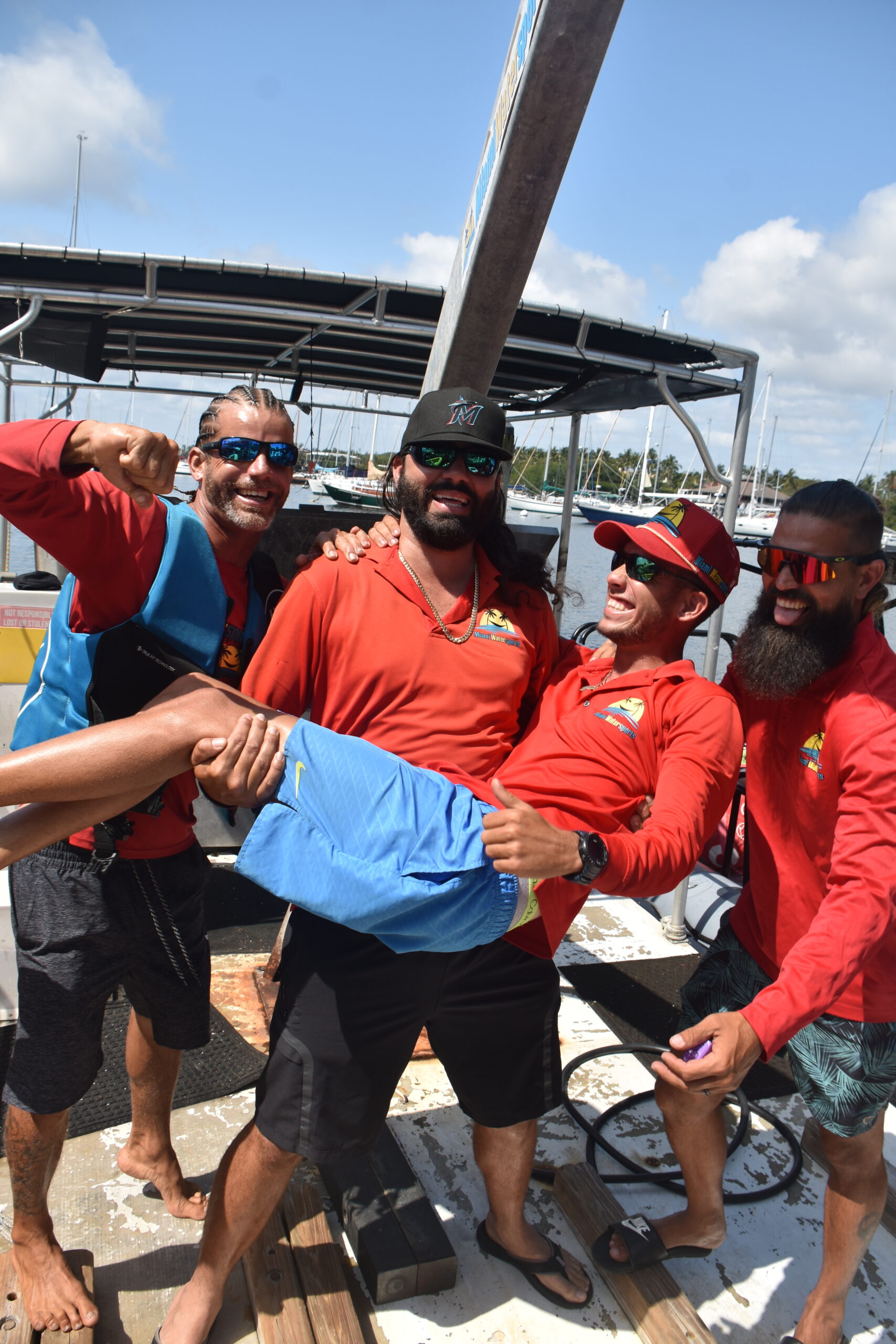
The Miami Watersports crew has run parasailing, jet ski, flyboard, and boat trips from Pier 9 at Dinner Key Marina in Coconut Grove since 2007.