
If you're figuring out what to bring jet skiing in Miami, the short answer is: bring a valid photo ID, reef-safe sunscreen, polarized sunglasses with a strap, quick-dry swimwear, a towel and a dry change of clothes, a waterproof phone pouch, and a card to cover the refundable security hold at check-in. Everything else — life jackets, the briefing, and the guide — is provided when you launch from Pier 9 at Dinner Key Marina in Coconut Grove. This guide walks through exactly what to pack, what to leave in the car, and how to prepare for an hour on the calm, protected water of Biscayne Bay.
Key Takeaways
- A valid government-issued photo ID is required to ride; the driver must be 18 or older (18 or older to rent solo), and passengers must be at least 6 years old.
- Coast Guard-approved life jackets are provided and worn by everyone — you do not need to bring your own.
- Bring reef-safe (mineral) sunscreen, polarized sunglasses with a retainer strap, water shoes or secure sandals, and a waterproof pouch for your phone, since Biscayne Bay's glare and spray are constant.
- A refundable security hold is placed on a card at check-in and released after the ride, so bring a payment card in the rider's or renter's name.
- Swimming ability is required, and the Miami Watersports jet ski experience is a 60-minute guided free-ride on the protected, calmer inshore waters of Biscayne Bay — not the crowded open-ocean South Beach side.
- If lightning is in the area the ride won't run; weather and operational cancellations convert to a marina credit that is valid for 2 years rather than a cash refund.
The Short Answer: Your Miami Jet Ski Packing List
Before we get into the why behind each item, here's the full checklist of what to bring jet skiing in Miami so you can scan, pack, and go:
- Government-issued photo ID (driver's license or passport) for every rider who needs to verify age.
- A payment card in the renter's name for the refundable security hold at check-in.
- Reef-safe mineral sunscreen (zinc oxide or titanium dioxide based).
- Polarized sunglasses with a floating strap or retainer.
- Quick-dry swimwear worn under your clothes so you're ready at check-in.
- A rash guard or quick-dry long-sleeve shirt for sun and wind protection.
- Water shoes or securely strapped sandals — no loose flip-flops.
- A waterproof phone pouch (lanyard style is ideal).
- A towel and a full dry change of clothes for after.
- A reusable water bottle to hydrate before and after your ride.
- A small lockable bag for valuables you don't want to carry on the water.
Notice what's *not* on the list: a life jacket, a wetsuit, or any equipment. Coast Guard-approved personal flotation devices are issued and required for everyone on the water, and the jet skis, fuel, and your guided route are all part of the experience. Your job is simply to show up sun-ready, water-ready, and with the documents you need.
Sun Protection: Non-Negotiable on Biscayne Bay
Miami sits at a low latitude, and Biscayne Bay is a wide, open expanse of water that reflects sunlight straight back at you. Even on a partly cloudy day, you're getting sun from above and bounced off the surface below — which is why so many first-timers underestimate how much protection they actually need for a full hour on the water.
Reef-Safe Sunscreen
Pack a mineral, reef-safe sunscreen using zinc oxide or titanium dioxide rather than chemical filters like oxybenzone. Biscayne Bay flows directly into one of the most sensitive marine ecosystems in the country — the seagrass beds and reefs protected by Biscayne National Park sit just to the south of where you'll ride. Choosing reef-safe sunscreen is a small decision that protects the very water you came to enjoy. Apply it at least 15 minutes before you launch so it bonds to your skin before the spray starts, and reapply if you're at the marina a while before your slot.
Eyes, Lips, and Skin
Polarized sunglasses do double duty: they cut the harsh glare off the water and protect your eyes from wind and salt spray. The catch is that a lot of sunglasses end up at the bottom of the bay, so use a floating retainer strap — it's the single most overlooked item people wish they'd packed. Add a lip balm with SPF, and consider a rash guard or quick-dry long-sleeve shirt, which gives you reliable coverage across your shoulders and back without the reapplication that sunscreen demands.
A snug hat with a chin cord can work, but anything brimmed and loose will fly off the moment you accelerate, so many riders skip the hat in favor of sunglasses and a rash guard.
What to Wear on the Water
The right clothing makes the difference between a comfortable ride and an hour of fighting your own gear. The water around Coconut Grove and Dinner Key is warm for much of the year, so you generally won't need a wetsuit — but you do need clothing that handles spray, wind, and constant motion.
Swimwear and Layers
Wear your swimsuit under your clothes before you arrive so check-in is fast and you're not hunting for a changing room. A secure, well-fitting swimsuit matters more than you'd think — you're climbing on and off a moving watercraft, so a suit that stays put is a comfort and confidence upgrade. Over the top, a rash guard adds sun and wind protection and a little warmth on breezier mornings.
In the cooler, windier stretches of Miami's winter, a neoprene top or a snug fleece-free quick-dry layer can take the edge off the wind chill that builds when you're moving across the bay. It rarely gets cold in Miami, but moving at speed over open water always feels several degrees cooler than standing on the dock.
Footwear
Skip loose flip-flops. Water shoes or sandals with heel straps keep your footing secure on wet docks and the watercraft platform, and they won't disappear into the bay. If you'd rather ride barefoot, that's fine on the jet ski itself — just have secure shoes for walking the marina and the dock.
Documents, Age Rules, and the Security Hold
This is the part travelers most often forget, and it's the part that can hold up your launch — so pack it first.
Bring Your ID
Every rider whose age needs to be verified should bring a valid government-issued photo ID. The rules are straightforward: the driver must be at least 18, anyone renting solo must be at least 18, and passengers must be at least 6 years old. A Single jet ski is a 1-seater rated to a maximum of 250 pounds, and a Double is a 2-seater rated to a combined maximum of 400 pounds, so plan your pairings with those limits in mind.
Florida takes on-water operation seriously, and personal watercraft operators are subject to state boating-safety requirements. You can read more about Florida's rules through the Florida Fish and Wildlife Conservation Commission and the state's boater education resources. With a guided Miami Watersports ride, you're accompanied on the water and given a full safety briefing before you go, so you're never figuring it out alone.
The Refundable Security Hold
Bring a payment card in the renter's name. A refundable security hold is placed at check-in and released after the ride, the same way a hotel or rental car holds a deposit against the equipment. It's standard, it's returned, and you just need a card that can carry it for the duration of your booking. Pricing itself is shown live on the jet ski activity page — and the way it works mirrors a hotel's rate structure, which we'll cover next.
Swimming Ability
Swimming ability is required to ride. Even though everyone wears a Coast Guard-approved life jacket the entire time, you should be comfortable in the water before you book. The U.S. Coast Guard publishes excellent general guidance on life jackets and on-water safety at uscgboating.org if you want to understand how flotation devices are rated and why they matter.
Member Rate vs. Non-Member Rate: How Pricing Works
Miami Watersports prices jet ski rides a lot like a hotel prices rooms — there's a member rate and a Non-Member rate, and the difference comes down to how the all-in cost is assembled.
- Non-Members pay a single all-in rate. What you see is what you pay, with nothing added at the dock.
- Members ride at the current member rate and then add a fuel charge plus tax and a marina fee at check-in. The member rate is structured to reward repeat riders, but because there's a fuel-and-fee component handled at the marina, the math is a little different from the all-in Non-Member path.
Pricing is per rider, and it changes with season and demand, so we never publish a fixed number here — it would go stale. The live, current price for both paths is always shown on the jet ski activity page. The practical packing takeaway: bring a card that can cover both your rate *and* the refundable hold, and if you're riding as a member, know that the fuel-and-fee portion is settled at the marina when you check in.
Where You'll Ride: Pier 9, Dinner Key Marina, and Calm Biscayne Bay
Understanding the location helps you pack smarter, because the conditions here are genuinely different from the Miami jet ski experience most visitors picture.
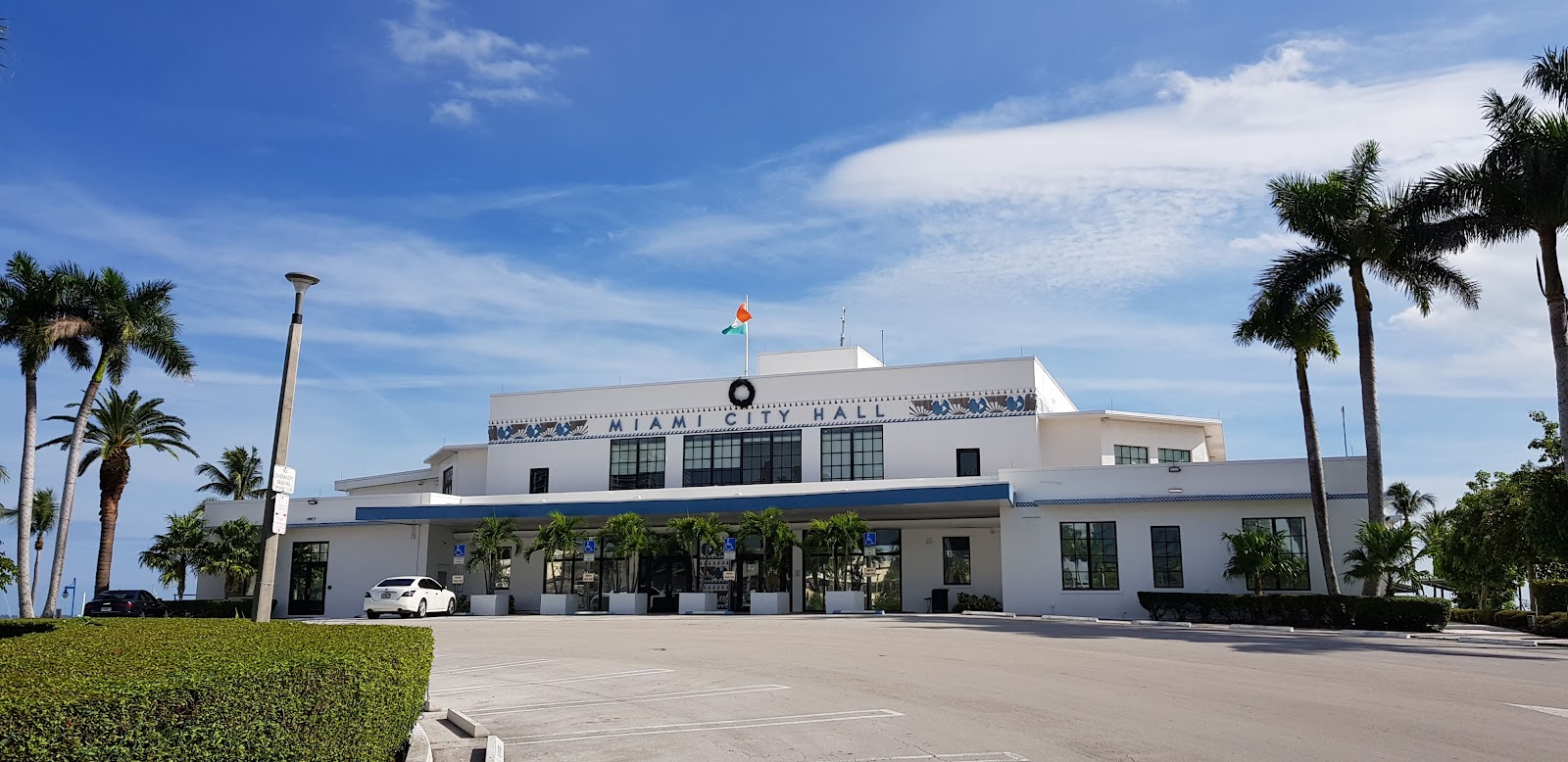
Pier 9 at Dinner Key Marina
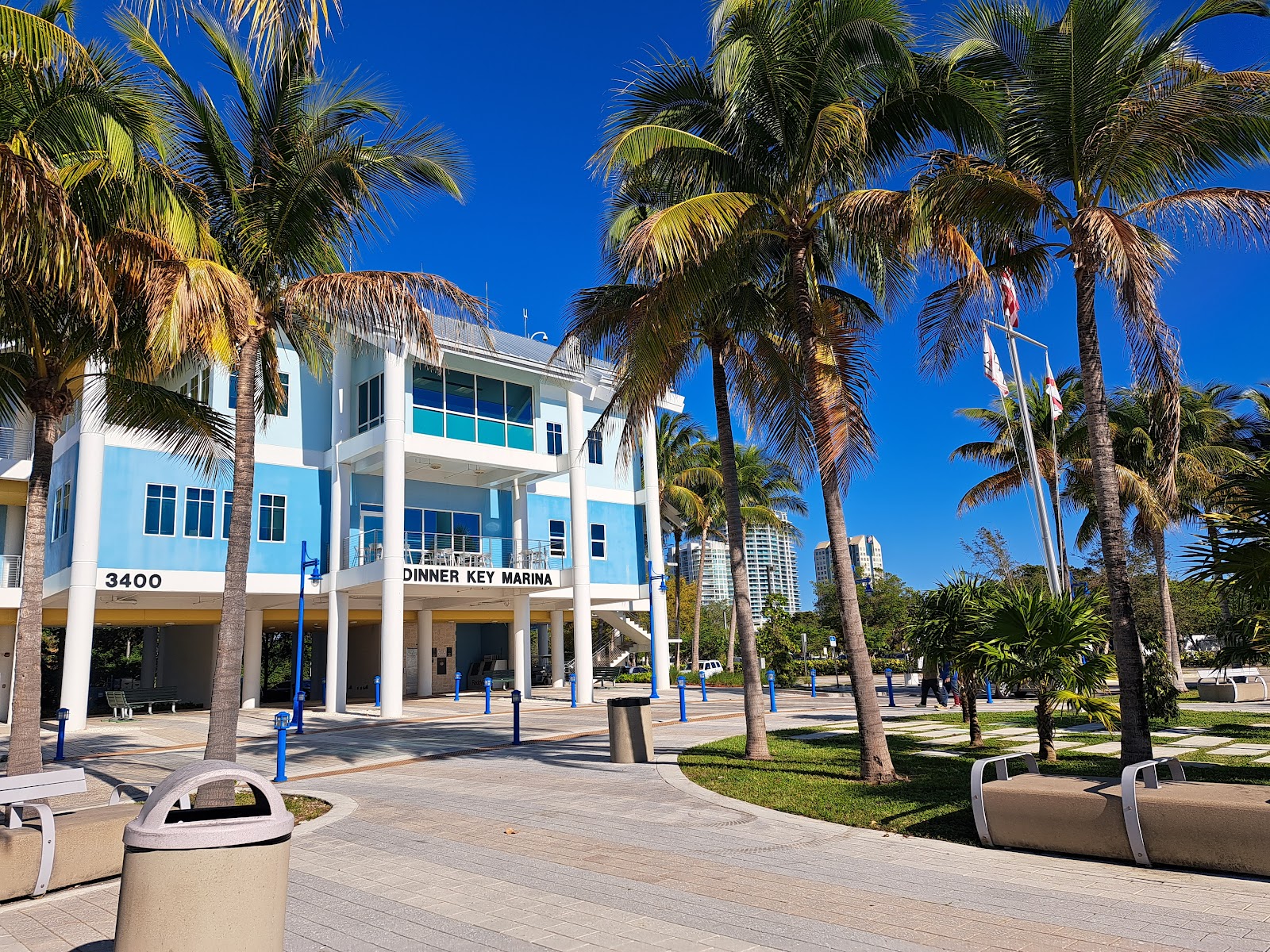
You'll launch from Pier 9 at Dinner Key Marina, 3400 Pan American Drive in Coconut Grove. Dinner Key is one of Miami's most historic and protected harbors, tucked into the leafy, residential Coconut Grove neighborhood rather than the high-rise crush of South Beach. Parking, walking the dock, and check-in all happen here, so factor that into your timing — arrive a little early, sunscreen already on, swimsuit already under your clothes.
Why Biscayne Bay Beats the Open-Ocean Side
The single best thing about riding from Coconut Grove is the water itself. Biscayne Bay is a wide, sheltered bay — protected from the open Atlantic by barrier islands — which generally means calmer, flatter water than the crowded open-ocean side off South Beach, where ocean swell and heavy traffic make for a choppier, more chaotic ride.
For first-timers, families, and anyone who wants to actually look around instead of bracing against waves, this protected inshore water is a meaningful advantage. The bay opens onto skyline views of downtown Miami, with Key Biscayne and the national park waters to the south. Calmer water also means less spray in your face over the course of an hour — but it never means *no* spray, so the waterproof pouch and the sunglasses strap still earn their place in your bag.
If you're building a whole day on the water, the same protected bay makes Miami Watersports' other activities easy add-ons — many riders pair their jet ski with a parasail flight for the aerial view or a boat tour to slow things down afterward.
Weather, Seasons, and Timing Your Miami Jet Ski Day
Miami's weather is the variable that most affects your day, and knowing the patterns helps you pack and book wisely.
Reading the Forecast
Miami runs warm and humid most of the year. The summer wet season brings classic afternoon thunderstorms that build fast and clear fast, which is why morning slots are often the calmest and most reliable in summer. Winter is drier and cooler with occasional breezy cold fronts — beautiful riding weather, just pack that extra quick-dry layer for the wind. Before you head out, it's worth checking the National Weather Service Miami office for the day's marine and thunderstorm outlook.
The Lightning and Rain Rules
The hard rule is simple: if there's lightning in the area, the ride does not run. Safety isn't negotiable, and a guided operation will hold or reschedule rather than put anyone on the water under storm conditions. Light rain, on the other hand, usually doesn't stop the ride — you're getting wet anyway, and a passing shower on warm water can be part of the fun. If you want to understand on-water weather safety in more depth, the BoatUS Foundation publishes clear, practical guidance.
When the Weather Wins
If weather or an operational issue forces a cancellation, Miami Watersports issues a marina credit that is valid for 2 years rather than a cash refund. That's worth knowing as you plan: you're never out anything if the sky turns: your booking simply moves to the next clear day you choose. It also means there's no reason to gamble on a stormy forecast — book the day that looks good, and keep the credit in your pocket if Miami's weather has other plans.
Final Tips for First-Time Riders
A few small things separate a smooth Miami jet ski day from a stressful one:
- Arrive early and pre-applied. Sunscreen on, swimsuit under your clothes, ID and card in hand. Check-in is faster and your sunscreen has time to set.
- Leave the valuables in the car or a locker. Phones go in a waterproof pouch on a lanyard; everything else you don't need on the water should stay dry and secure on land.
- Hydrate before and after. An hour in the Miami sun and wind is more dehydrating than it feels. Drink water beforehand and keep a bottle for after.
- Listen to the briefing. Your guide covers the controls, the route, the speed zones, and the hand signals. A few minutes of attention makes the whole hour better.
- Respect the wildlife and the seagrass. The shallow flats of Biscayne Bay are home to manatees, rays, and protected seagrass beds. Your guide will keep you in appropriate areas — follow their lead.
Ready to Ride? Pack Smart and Book Your Miami Jet Ski Day
Now you know exactly what to bring jet skiing in Miami: a photo ID and a payment card for the security hold, reef-safe sunscreen, polarized sunglasses on a strap, quick-dry swimwear and a dry change of clothes, secure water shoes, and a waterproof pouch for your phone. The life jacket, the guided route, and the briefing are all on us — and the calm, protected water of Biscayne Bay launching from Pier 9 at Dinner Key Marina gives you a smoother, more scenic ride than the open-ocean South Beach side.
Pack your bag, check the morning forecast, and **book your 60-minute guided jet ski ride on the jet ski activity page** to see live member and Non-Member pricing and lock in your slot. Coconut Grove's calmest water is waiting — and if the weather turns, your marina credit is valid for 2 years, so there's nothing to lose by planning your Miami jet ski day today.
Book your Miami jet ski adventure
Member rates apply on every booking. Tax & marina fee added at check-in.
Frequently Asked Questions
About Miami Watersports
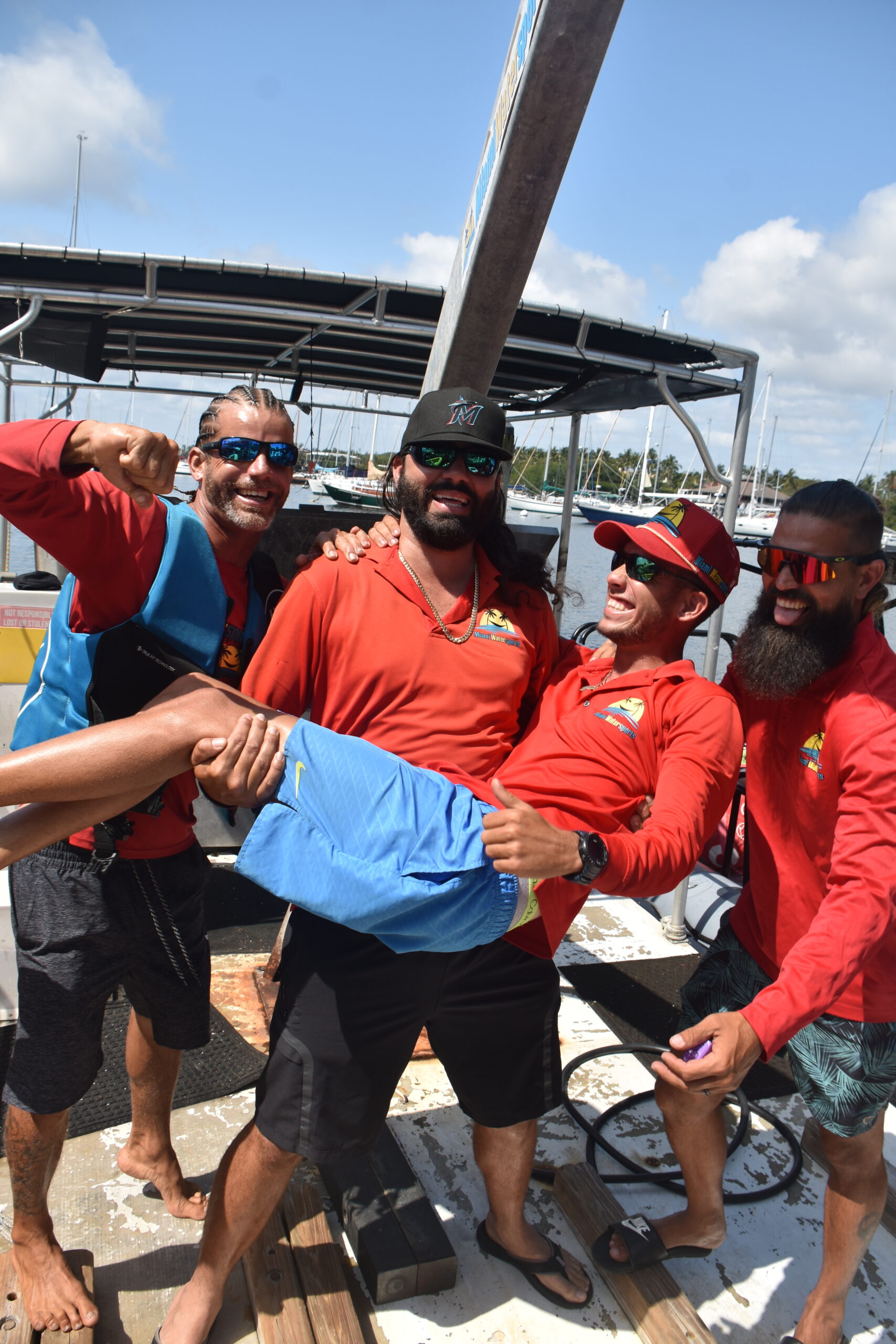
The Miami Watersports crew has run parasailing, jet ski, flyboard, and boat trips from Pier 9 at Dinner Key Marina in Coconut Grove since 2007.